
Download Poteau
What Is Padel Sport? Guide To The Game In 2026
Ever wondered what is padel sport and why it’s suddenly everywhere in 2026? You see new courts popping up from Miami to Bali, friends talking strategy, and tournaments on the big screen.
Padel is blowing up fast. It’s easy to learn, super social, and anyone can jump in—even if you’ve never picked up a racket. That’s the magic.
This guide gives you the real scoop: where padel comes from, how to play, what gear you need, and how to find games in your city. Want to level up or just meet new people? We’ve got pro tips for both.
Ready to play smarter, connect faster, and see why everyone’s obsessed? Let’s get you on court.
What Is Padel? The Basics Explained
Padel is everywhere in 2026. But what is padel sport, and why are people of all ages in cities from Paris to Miami picking up a racket? Let’s break it down so you can get in the game fast.
Origins and History of Padel
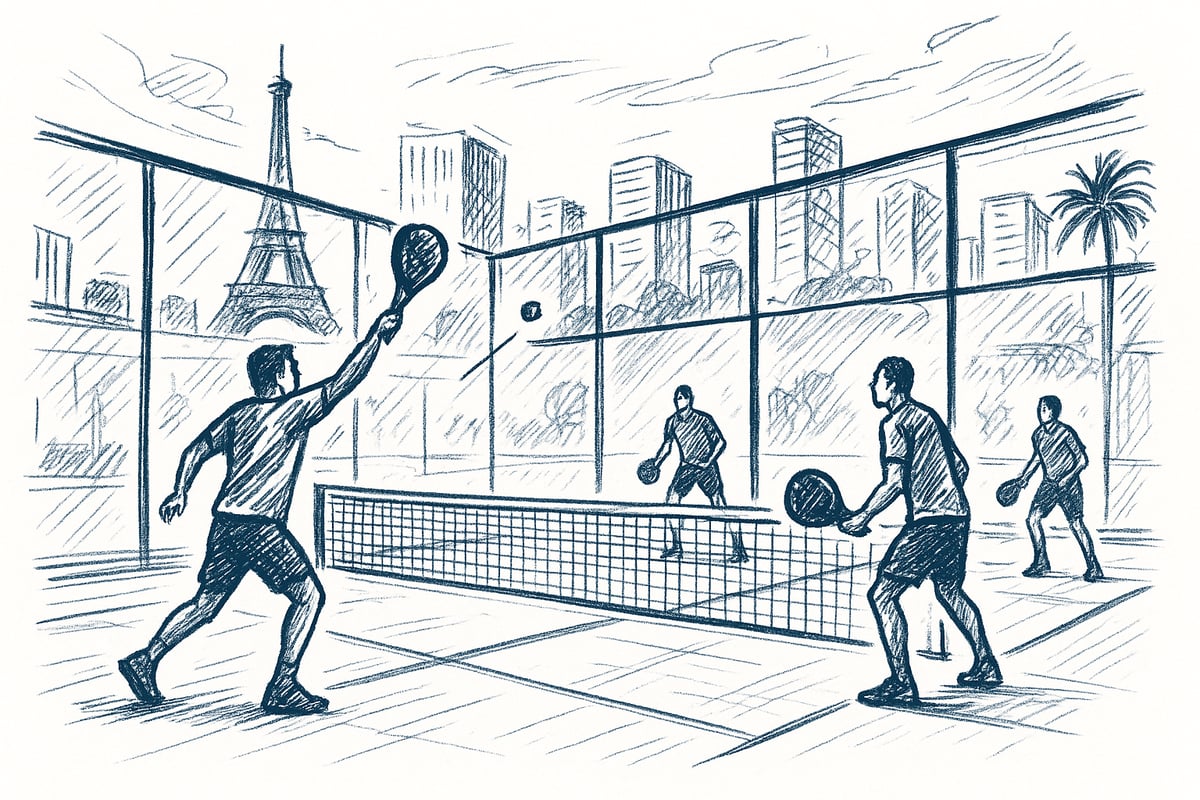
The story of what is padel sport starts in 1969, in Mexico. Enrique Corcuera, looking for a fun twist on tennis, built the first court in his backyard. The game took off in Spain and Argentina, where the social vibe fit right in. Now, it’s global.
Padel combines tennis and squash—think tennis scoring, but you play on a smaller, walled court. The walls are part of the action, so every rally is unpredictable. By 2026, over 25 million people play worldwide. You’ll find padel clubs in Paris, rooftop courts in New York, and pickup games in Bali.
Why did what is padel sport catch fire? It’s easy to learn, social, and fun for every age. You don’t need years of practice to jump in. Key milestones: exploding in Spain, landing in the US, and spreading fast in Asia.
What Makes Padel Unique?
Let’s get real—what is padel sport if not a remix of the best parts of racket games? You always play doubles. The court is smaller than tennis, with glass and mesh walls in play.
The rackets? Solid, no strings, and super easy to handle. The game is fast-paced, with longer rallies than tennis. You get more action per minute, which means more fun (and sweat).
Padel is built for everyone. Beginners feel at home, but advanced players still get challenged. The best part? The social side. You’re always working as a team, switching sides, and talking strategy. Local clubs often mix skill levels, so everyone finds a spot.
Here’s a quick comparison:
Feature | Padel | Tennis | Squash |
|---|---|---|---|
Court Size | Small, walled | Large, open | Small, walled |
Racket | Solid, no strings | Strung | Strung |
Format | Doubles | Singles/Doubles | Singles/Doubles |
Vibe | Social, team | Competitive | Fast, solo |
Mixed-level games are normal in padel. If you’ve ever felt lost at a tennis club, you’ll find padel more welcoming.
The Global Padel Boom in 2026
Wondering why what is padel sport keeps trending? Europe, Latin America, and Asia are leading the charge. In 2026, there are over 50,000 courts worldwide (that’s more than double since 2021). Major tournaments like the World Padel Tour and Premier Padel draw big crowds.
Padel is showing up in multi-sport events, with Olympic talk on the horizon. Pro athletes and celebrities are investing, bringing even more attention. You’ll see new padel centers opening in US cities every month. In Paris, for example, you can check out Padel clubs in Paris for a taste of the scene.
Apps and digital communities are connecting players everywhere. You can organize a match, find partners, or join a league with just a few taps. The vibe is open—anyone can get involved.
This is why what is padel sport matters now: it’s global, it’s booming, and it’s easier than ever to join.
Padel Court, Gear, and Equipment: What You Need to Play
Ready to step onto a padel court? Let’s break down what is padel sport when it comes to the setup, gear, and what to bring. Every detail counts, and the right choices make your games smoother, safer, and more fun.
The Padel Court: Size, Surfaces, and Walls
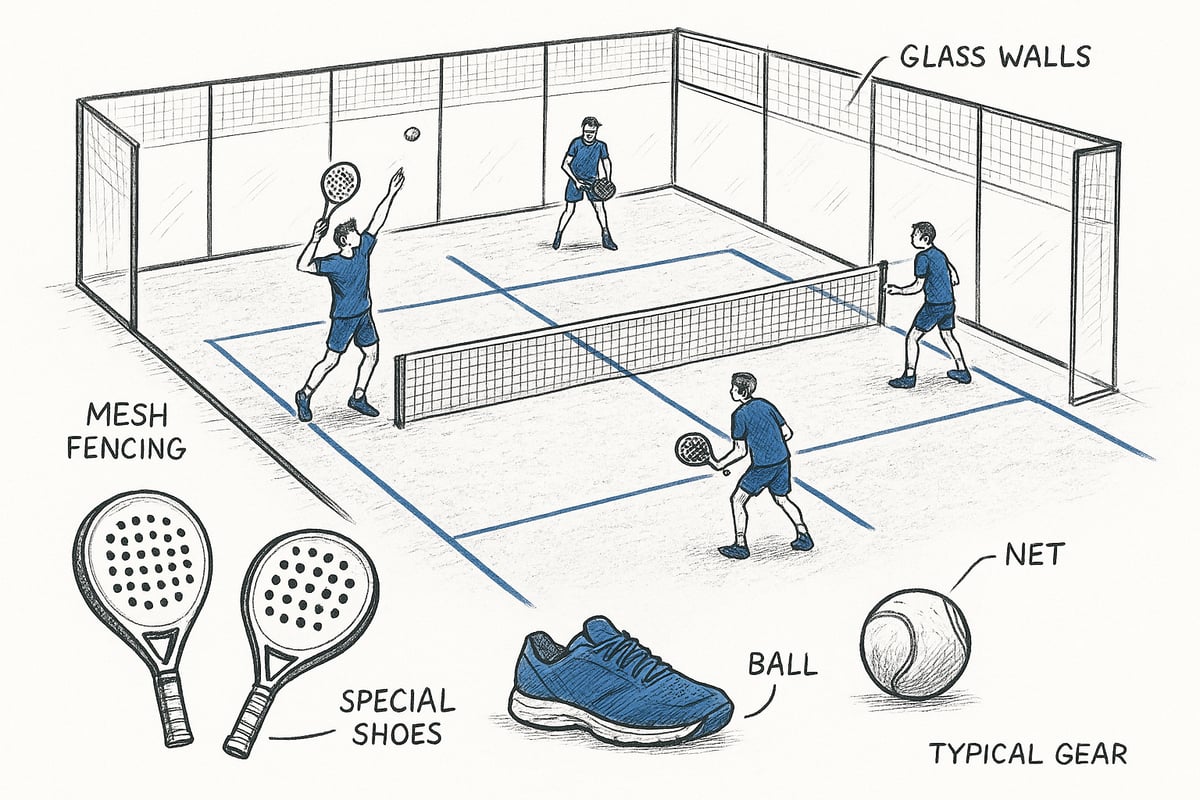
When you ask what is padel sport, start with the court. Standard padel courts are 20x10 meters, fully enclosed by glass and metal mesh. The walls are not just for show—they’re part of the game. Bounces off the glass are 100% legal, and learning to use them is a game-changer.
Common surfaces are artificial turf, concrete, or carpet. Turf is most popular in Europe, while clubs in the US sometimes use textured concrete. The net sits at 88 cm in the center, with a line marking each service box. You’ll find padel courts in crazy places: rooftop clubs in Paris, urban warehouses in New York, or even open-air setups in Bali.
Why do walls matter in what is padel sport? They keep rallies going and turn defense into attack. Expect wild rebounds, longer points, and more chances to show off your reflexes.
Essential Padel Equipment
You can’t play what is padel sport without the right gear. The racket is unique—solid, stringless, and full of holes. It’s lighter than a tennis racket, so you can flick quick shots and control the ball with ease. Balls look like tennis balls but have less pressure, so they bounce just right off glass and turf.
Shoes are key. Go for grippy soles with good lateral support—you’ll be sprinting and sliding. Breathable, sweat-wicking clothes keep you cool on humid Bali courts or under hot LA sun.
Not sure where to start? Most clubs rent everything. Try out gear before you buy. For first-timers, focus on a comfortable racket and shoes with real grip. That’s what is padel sport basics, right there.
Choosing the Right Gear for Your Level
Level up your game by matching your gear to your skill. In what is padel sport, racket shape matters:
Round for control (great for beginners)
Diamond for power (for smashers)
Teardrop for a bit of both
Balance and weight change how you hit. Lighter rackets are easier to swing, heavier ones pack more punch. In humid places like Bali, players pick rackets with sweat-resistant grips.
Shoes? Look for ankle support and the right sole for your court (turf vs. concrete). Balls can differ too—indoor balls bounce less, outdoor balls are livelier.
As you improve, upgrade your gear. Ask local players, try different shapes, and don’t be afraid to swap out rackets until you find your fit. For more on gear and trends, you can always check out Padel sport blog articles.
Safety and Maintenance Tips
Keeping your gear in shape is part of what is padel sport. Wipe down your racket after sandy or wet sessions. Clean your shoes so you don’t slip. Always bring water, especially for outdoor games in the sun.
Stick to basic court etiquette: watch for stray balls, call “let” on close shots, and respect everyone’s space. Hydration and sunscreen are non-negotiable on rooftop or beach courts.
Want to avoid blisters and sprains? Rotate your shoes, tape up if you need to, and stretch before every game. It’s the little things that keep you playing more and worrying less.
Padel Rules and How to Play: Step-by-Step Guide
Ready to get on court and actually play? Here’s your all-access guide to what is padel sport, with every rule and tip broken down so you can jump in, win rallies, and have a blast.
Game Format and Scoring
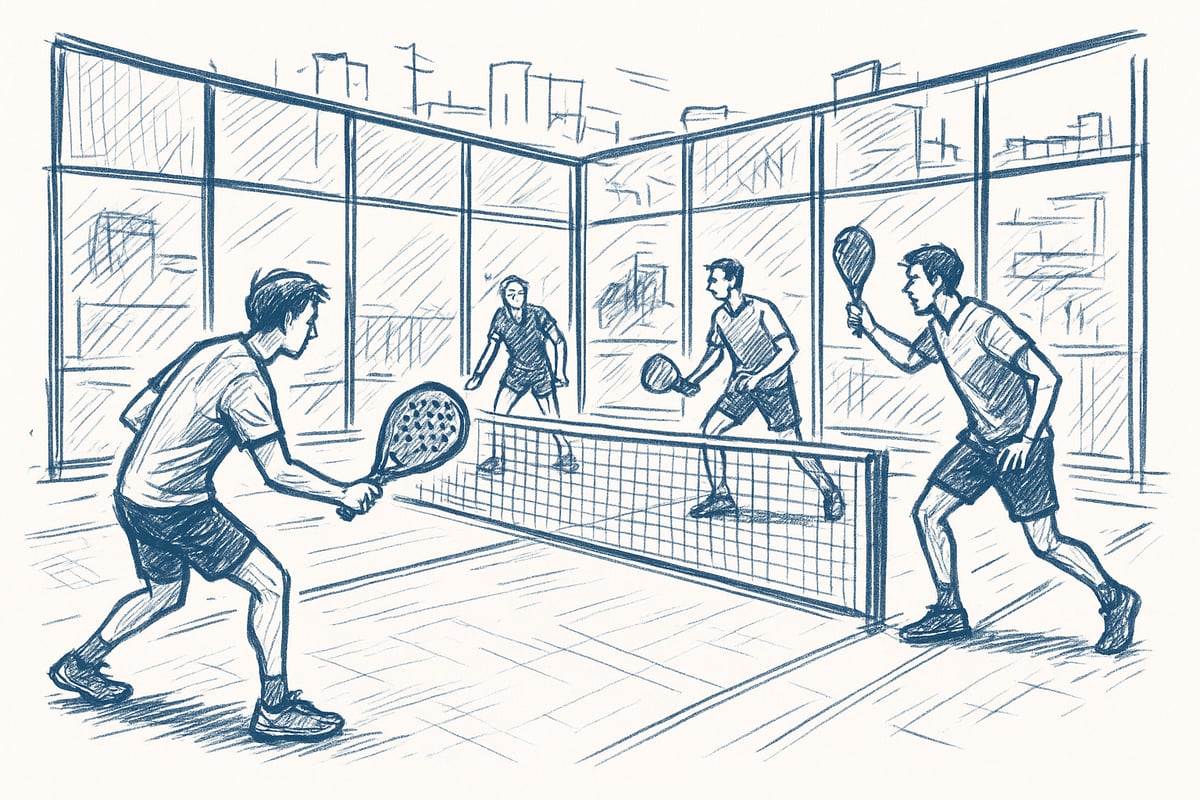
Padel is always played doubles, so it’s you and a partner versus two opponents. The court is smaller than tennis, but with walls in play, it feels fast and tight. Scoring works just like tennis: points go 15, 30, 40, then game. Matches are best of three sets, and tie-breaks pop up at 6-6.
Here’s a quick breakdown:
Format | Details |
|---|---|
Team Size | Doubles only (2 vs. 2) |
Court | 20m x 10m, glass/mesh walls |
Scoring | Tennis system |
Sets | Usually best of 3 |
Serves must be underhand and bounce before hitting. After that, anything goes: balls can rebound off the glass and stay live. If you want to match up with players at your level and avoid lopsided games, check out the Understanding padel skill levels guide before you book a session. That’s a game-changer for smooth, balanced play. This is what is padel sport in real life—fast, friendly, and easy to join.
Step 1: Serving and Starting the Point
The serve in what is padel sport is unique. Stand behind the service line, bounce the ball once, then hit it underhand into the box diagonally across. Keep both feet behind the line until you strike. Miss the box or hit the net? You get a second serve, just like tennis.
Common mistakes for beginners:
Tossing too high or too low
Stepping on or over the line
Forgetting to bounce the ball first
Practice your serve until it feels automatic. In Miami, players warm up with ten slow serves each before starting a match. Get this down early in what is padel sport for easy points and less stress.
Step 2: Rallies, Shots, and Using the Walls
Once the ball is in play, rallies can go forever. That’s the magic of what is padel sport. Use forehands, backhands, volleys, the classic bandeja, and smashes to keep the ball moving. The glass walls aren’t just for show—use them to defend, reset, or attack.
Try this: let a fast shot hit the back glass, then counter-attack with a sharp angle. In Paris, you’ll see players turn defense into offense like this all the time. Anticipation and positioning are everything. The more you move your feet and read your partner, the better you’ll control the court in what is padel sport.
Step 3: Communication and Teamwork
You can’t win alone in what is padel sport. Talk to your partner before every point. Call “mine” or “yours” on shots. Switch sides on lobs and cover each other’s gaps.
Tips for smooth teamwork:
Use short, clear calls
Switch sides only when needed
Encourage your partner after tough points
In Paris pickup games, mixed-level pairs that talk constantly always win more points and have more fun. Chemistry makes every rally flow.
Step 4: Winning Points and Matches
Points are simple—ball can bounce once on your side, and it stays live off the walls. If it bounces twice, hits the net, or leaves the court without touching the ground, you lose the point.
To close out games and sets:
Focus on first serves
Play safe when up in the score
Handle deuce and tie-breaks with steady nerves
In a tournament in Rome, clutch play means staying cool and making smart choices, not just swinging hard. Practice finishing games strong.
Common Mistakes and How to Avoid Them
Everyone messes up at first. Here’s what to watch for:
Overhitting the ball
Poor court positioning
Ignoring wall bounces
Not talking with your partner
In New York, teams lose points by crowding the net or forgetting to use the glass. Quick fixes: step back, keep moving, and talk before every serve. That’s how you level up fast in what is padel sport.
How to Find and Join Padel Games in 2026
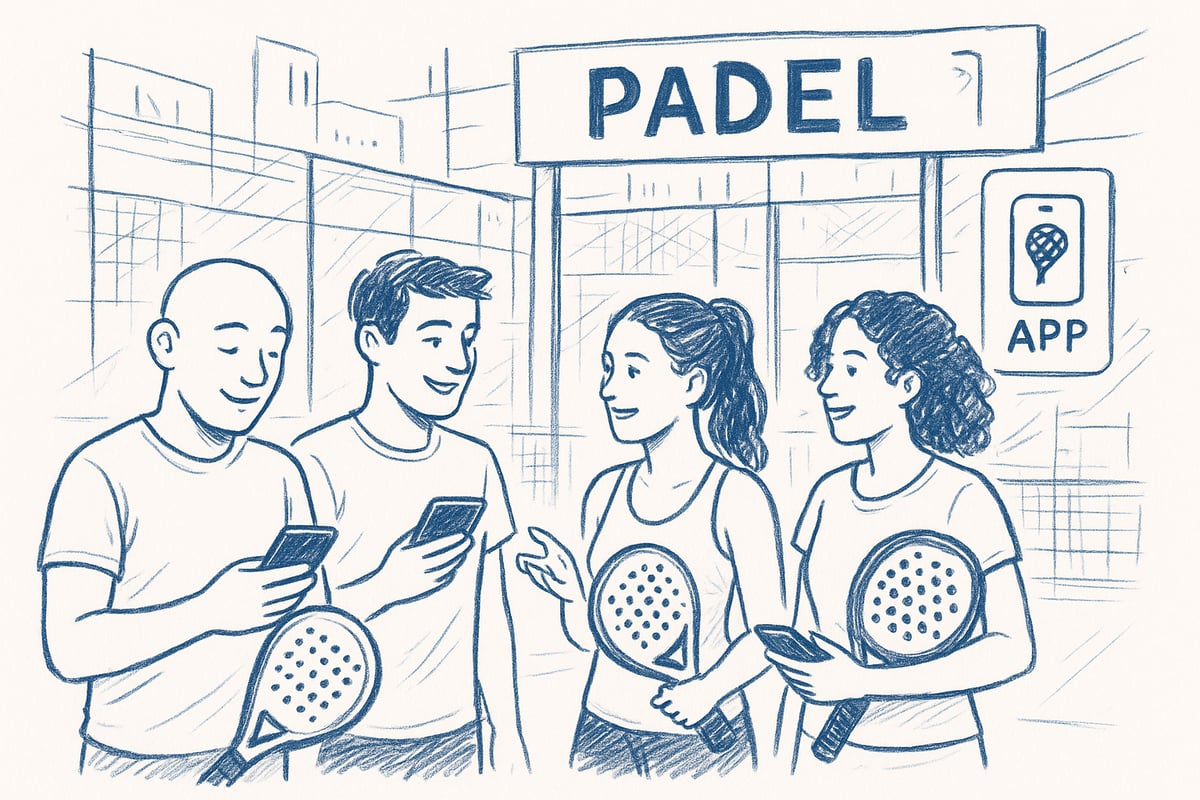
Looking to jump into the action? Finding a padel game in 2026 is easier than ever. The scene is booming, and you have plenty of ways to get on court—whether you’re in Paris, Miami, or Bali. Here’s exactly how to find your crew and play more, no matter your level.
Where to Play: Clubs, Centers, and Public Courts
Step one: know your options. Padel is everywhere now. You’ve got private clubs, pay-to-play centers, and even public parks with new courts popping up. Booking is simple: most spots use online systems, apps, or walk-ins for last-minute games.
Want to see how fast things are growing? According to the Global Padel Report 2025, there are over 50,000 courts worldwide. That means you’re never far from a game. In Rome, you can book a court on your phone and be playing within an hour. Some cities offer rooftop courts, others are tucked into sports parks.
The takeaway: wherever you are, knowing what is padel sport means knowing you’ve got options. Check out local clubs, search “padel near me,” or walk into a center and ask about open play.
Using Padel Apps and Online Communities
Don’t want to wait? Use padel apps. These platforms connect you with local games, partners, and events—no awkward group texts needed. Most apps let you:
Set your skill level for better matches
Get alerts when a new game opens up
See reviews of clubs and players
Join chat groups for quick invites
In Bali, players organize a pickup match through an app and fill spots in minutes. You can track your stats and build a crew fast. If you’re wondering what is padel sport, these digital tools make it clear: it’s social, organized, and open to all. The right app means less hassle and more game time.
Tips for First-Time Players Joining Games
Nervous about showing up solo? Don’t be. Most padel groups welcome new faces, especially if you bring good energy. Here’s how to make a great first impression:
Introduce yourself, share your level honestly
Bring water, a positive attitude, and basic gear
Ask how games rotate or split—every club does it a bit different
Offer to fill in or sub if numbers are odd
If you’re in New York, join a public session and match up with players of similar skill. Avoid mismatches by stating your experience upfront. Remember, what is padel sport about? It’s about connecting and having fun. Play fair, thank your group, and you’ll get invited back.
Social and Competitive Leagues
Ready for regular games or a challenge? Join a league or ladder. Most cities run weekly leagues, tournaments, or ranking systems. You can sign up solo or bring friends. Social leagues in Los Angeles are packed, mixing all skill levels for a great vibe.
Leagues help you meet new players, improve your game, and give every week a little extra hype. If you want to level up, keep an eye on club notice boards or app listings for upcoming events.
Padel Training, Strategy, and Leveling Up
Ready to step up your game? Here’s how to get better at what is padel sport, whether you’re just showing up for pickup or eyeing league play. Let’s break it down so you can level up fast and play smarter, not harder.
Essential Skills to Practice
If you want to actually enjoy what is padel sport, you need the basics locked down. Don’t just hit balls—practice smart.
Serve: Start every point right. Go for consistent underhand serves.
Wall shots: Learn to use the glass for defense and attack. Hit, let it bounce, then react.
Volleys and lobs: Control the net, mix up your shots, and keep opponents guessing.
Footwork: Quick steps, always ready to move sideways or forward.
Drills: Try “solo rallies” against the wall or pair up for volley exchanges. In Bali, players often warm up with five-minute wall drills before games.
Mastering these skills means longer rallies and more fun. Basics aren’t flashy, but they win games.
Game Strategy and Tactics
Strategy is what separates casuals from real padel heads. In what is padel sport, it’s not just about power—it’s about smarts.
Net play: Rush the net after your serve or a strong lob. Control the space, force errors.
Baseline defense: Stay low, use the walls, and wait for your shot to attack.
Switching roles: Know when to defend and when to press forward. If your partner gets lobbed, cover the back.
Communication: Talk every point. “Yours!” “Switch!” “Lob coming!”
In Paris, mixed-level pairs win by talking and keeping their shape. Try a “double-wall” defense if you’re up against heavy hitters.
Improving Your Level and Tracking Progress
Getting better at what is padel sport isn’t just about hours on court—it’s about tracking and pushing your level.
Lessons: Book a clinic or take a group class. Coaches spot mistakes you don’t even notice.
Skill ratings: Many clubs in France use a 1-10 system. Ask for your rating and set goals.
Progress tools: Use a padel app or club tracking sheet. Mark every win, loss, and what you learned.
Set targets: Want to play in a league? Write it down. In Rome, players often review their stats after each session.
Check out the FIP World Padel Report 2025 for insights on how top players train and track their growth.
Fitness and Injury Prevention
Padel is a grind. To keep playing what is padel sport every week, stay fit and avoid injuries.
Warm up: Jog, skip, or do dynamic stretches before every game.
Mobility: Focus on ankles, shoulders, and wrists—these take the most hits.
Recovery: Hydrate, stretch after play, and rest if you tweak something.
Common injuries: Blisters, sprains, and sore backs. In New York, players swear by quality shoes and tape for ankles.
Stay sharp, listen to your body, and you’ll play more games with less downtime.
What’s New in Padel for 2026? Trends and Innovations
Padel in 2026 feels like a different game. Smart courts, eco-gear, and digital communities are changing how you play, find matches, and level up. Wondering what is padel sport going to look like this year? Let’s break it down.
Court and Equipment Innovations
Step on a court in 2026 and you’ll spot the upgrades fast. Smart courts track your stats live, show instant replays, and let you book a slot with your phone. Eco-friendly surfaces are everywhere, made from recycled turf or even solar panels powering the lights. Gear is lighter, tougher, and some rackets now use advanced composites for more control.
Equipment rental? Just scan a QR code and grab what you need.
Paris and Madrid have entire centers running on solar energy.
Urban courts pop up on rooftops, in malls, and even at airports.
If you’re asking what is padel sport in 2026, it’s tech-powered and green.
Digital Tools and the Padel Community
The digital side of what is padel sport is exploding. Padel apps help you find games, track your stats, and connect with players nearby. Online coaching lets you get feedback from pros, while video analysis breaks down your game. Virtual tournaments and global leaderboards let you compete no matter where you are.
Get alerts for last-minute games in your city.
Player reviews and skill badges keep matches fair and fun.
Organize a group in Bali or Rome from your phone.
Want the numbers? Padel Statistics 2025 shows how digital tools are fueling the sport’s worldwide boom.
The Future of Padel: Where the Sport Is Headed
Big things are coming for padel. Olympic inclusion is the buzz, and new countries keep joining the scene. Prize money and sponsorships are up, and major brands are investing. In the US, Italy, and Asia, new clubs open every week. What is padel sport’s next level? More pro players, more cities, more action.
Weekly leagues in Los Angeles or Tokyo.
Skill ratings let you find the perfect match, fast.
Tournaments now stream live, drawing massive crowds.
Get the full picture on the sport’s rise at Padel Sports Market Size and see why now’s the time to get involved.
You made it this far, so you’re probably itching to hit the court and see what all the padel hype is about in 2026. The cool part? You don’t have to wait for a club invite or know someone in the scene. Poteau lets you jump straight in—find local games, match with players at your level, or just roll up solo and meet new people. Doesn’t matter if you’re in Paris, Miami, or Bali; just check your city, pick a slot, and get moving. Want to see where the next game is? Find a game near you


