Download Poteau
What Is Padel Guide: Understanding the Sport in 2026
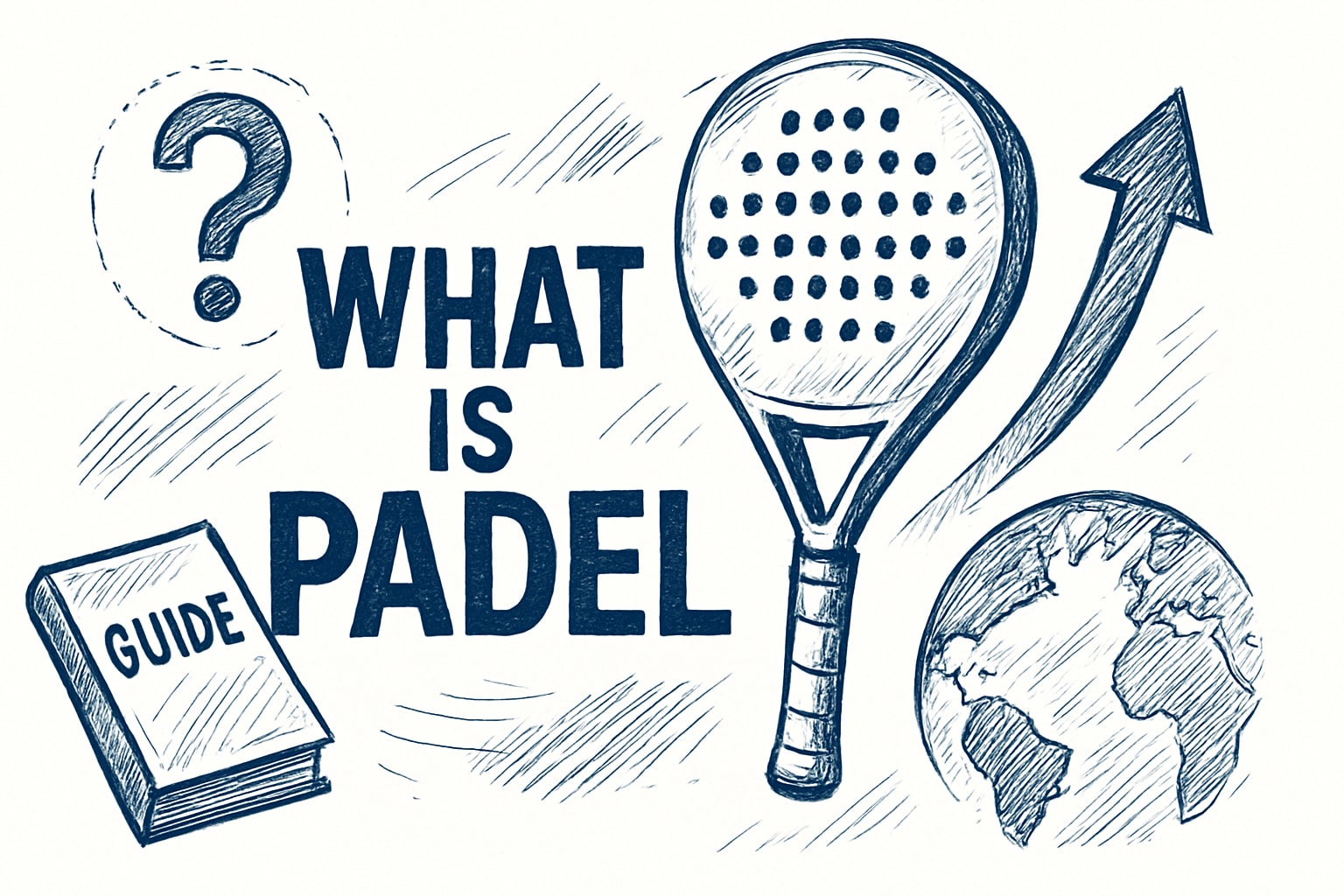
Padel is blowing up everywhere. If you don’t know what is padel yet, this is your moment. Courts are full from Paris to Bali, and everyone’s talking about the next big sport.
This guide is your shortcut to the action. We break down what is padel, why it’s way more fun than you expect, and how anyone can jump in or get better fast.
You’ll get the essentials: where padel came from, how to play, what gear you need, strategy tips, and the best ways to find real games with real people near you. Get ready to play more, meet new friends, and level up your game.
The Origins of Padel: From Mexico to Global Phenomenon
The Birth of Padel
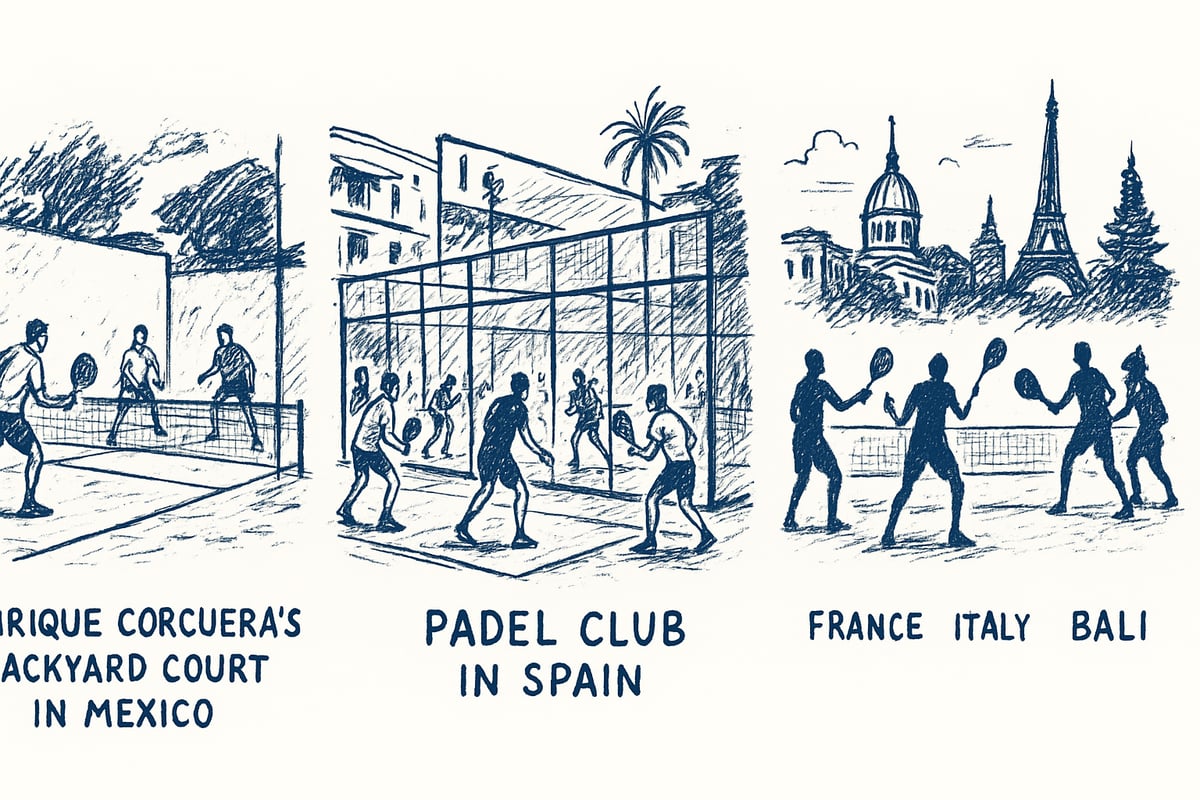
Padel started in 1969 when Enrique Corcuera built the first court in his backyard in Acapulco, Mexico. He wanted a game that was easy for friends and family to play, so he kept it casual, not formal. The court was smaller than a tennis court, but bigger than squash, and the walls kept the ball in play, making every rally wild.
From day one, padel was about bringing people together. You did not need to be a pro or buy fancy gear—just show up and play. That backyard setup still defines what is padel at its core: a sport for everyone. The enclosed design means more action, less chasing, and a real focus on fun.
Why does this matter? If you want a game that is easy to jump into, with no stress and tons of laughs, this is it. The original vibe was all about connection, not competition. That spirit still drives what is padel today.
Padel’s Spread: Spain, Europe, and Beyond
Spain discovered what is padel in the 1980s and took it to a whole new level. By the 90s, padel was everywhere—parks, clubs, even rooftop courts. Now, it is the fastest-growing sport in Europe and Latin America. Over 25 million people will be playing by 2026, and the numbers keep climbing. Want the proof? Check out these Padel Growth Statistics 2024 to see how quickly courts are popping up worldwide.
You will find new courts in Italy, France, Bali, and cities across the US. The doubles format means you always play with others, so it is easy to meet people and find a crew. Local clubs make it simple for beginners to jump in—no awkward solo sessions, just instant games.
Padel’s global takeover is not just hype. Real talk: in places like Paris, courts fill up fast, and the social buzz is real. If you want to get in on the action, now is the time.
Why Padel Caught Fire
So, why is everyone suddenly asking what is padel and why should you care? The answer is simple—accessibility and community. You do not need top-tier skills or expensive gear. The game is easier to pick up than tennis and less intimidating than squash. Strategy, quick reactions, and teamwork are what keep you hooked.
Most clubs run weekly socials where total beginners and advanced players mix it up. In France, you will see after-work games turn into long hangouts. The vibe is always friendly and open.
Bottom line: padel blew up because it is fun, social, and welcoming. If you want a sport where you can jump in fast, improve quickly, and build a crew, padel is your move.
Padel Court, Equipment, and Game Setup
Jumping into what is padel means knowing the setup before you hit the court. Here’s your playbook for the court, gear, game basics, and how to get in on the action fast.
Anatomy of a Padel Court
Ever wondered what is padel when you see those glass-walled boxes at sports clubs? The court is about 20 by 10 meters, roughly a third the size of a tennis court. Glass walls and mesh fencing keep the ball in play and make for wild bounces. The net runs through the middle, and the surface can be turf, concrete, or synthetic—each with a different feel.
In Paris, players love the glass walls for ricochet shots. Why does this matter for you? The smaller court means more action, less running, and way more rallies. If you’re new, you’ll notice how close everyone is, which makes every point intense and social. That’s the magic of what is padel: fast, tight games and a court that brings you right into the action.
Essential Gear: Rackets, Balls, and Shoes
Let’s talk gear. In what is padel, you play with a solid, perforated racket—no strings, just a punchy feel. The ball looks like a tennis ball but has lower pressure, so it bounces slower and keeps rallies alive longer. Shoes are key: court shoes or tennis shoes give you the grip you need for quick cuts and sudden stops.
Gear | Padel | Tennis | Squash |
|---|---|---|---|
Racket | Solid, no strings | Strung | Strung |
Ball | Low pressure | Standard | Small, rubbery |
Shoes | Court/tennis | Tennis | Indoor court |
In the US and Europe, most beginners rent gear for their first games. But once you get the itch, investing in the right shoes is a game changer. What is padel at its best? It’s about showing up ready to move, stay safe, and play longer.
Game Setup: Teams, Scoring, and Play
Padel is always doubles—four players on the court, no solos. Scoring follows tennis: 15, 30, 40, then game. You serve underhand and diagonally, and the ball must bounce before hitting a wall. Glass walls are in play after the bounce, but mesh isn’t.
Teams: Always 2v2, so you never play alone.
Serve: Underhand, must land in the service box.
Wall Play: Use the glass for rebounds, set up wild angles.
Scoring: Same as tennis, so it’s easy to follow.
In Bali, pickup games mix new and experienced players, making it easy to jump in. The best part? What is padel if not a sport that lets anyone get involved, no matter your experience.
How to Find Padel Games & Players Instantly
Ready to play, but not sure where to start? Use smart apps to find local padel games in seconds. You can set alerts for games that fit your skill, schedule, and even location. Take a quick skill quiz to join balanced matches—no more mismatched levels or awkward games.
Invite friends or join solo, the doubles format means you’ll always get a spot.
Build your own crew or drop in on public games.
Clubs and sports centers use apps to automate games and fill courts fast.
Want to level up your what is padel journey? Let tech do the heavy lifting so you can focus on play.
Rules of Padel: How to Play in 2026
Ready to jump into real games? Understanding what is padel means knowing the rules inside out. The basics are simple, but small details make a huge difference in pickup matches, club leagues, or random social games. Let’s break down the essentials so you can play smarter, win more rallies, and enjoy every minute on court.
Basic Rules and Flow of Play
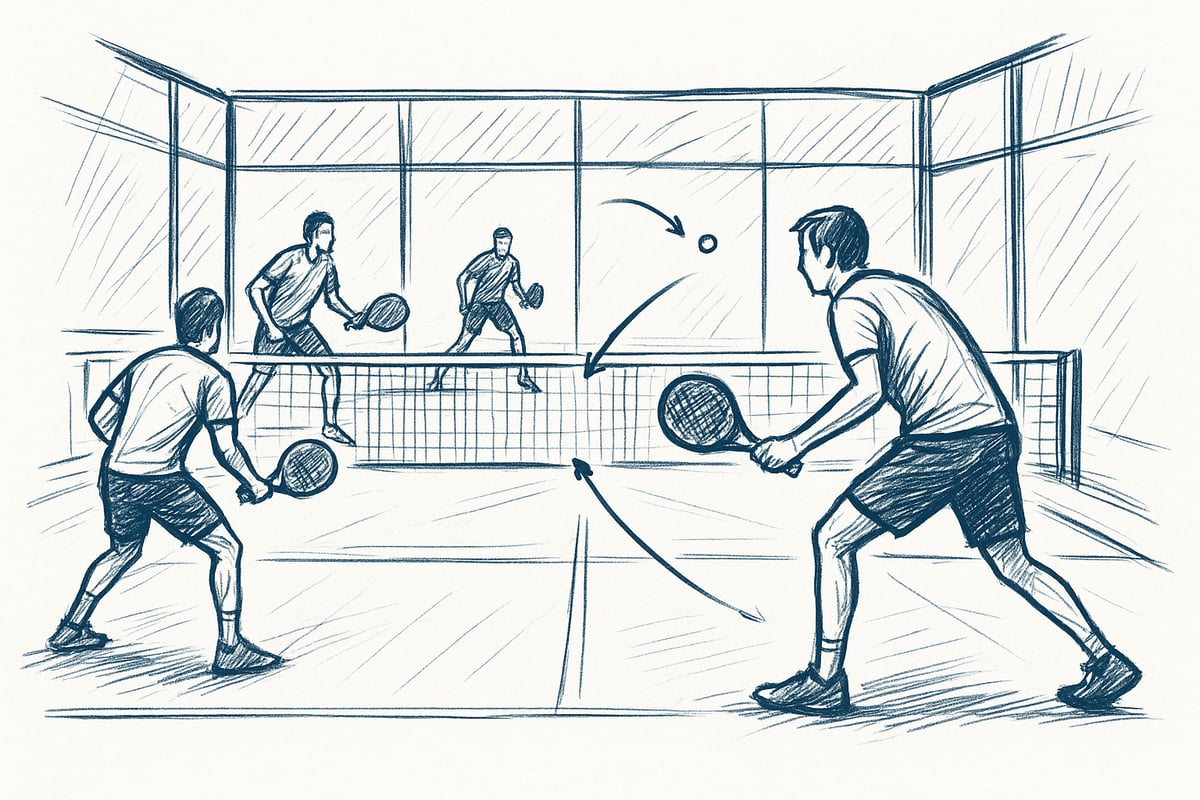
The first thing you need to know about what is padel is how the game actually runs. Here’s the lowdown:
Serve underhand, below waist, with two tries per point.
Ball must land in the diagonal service box, then bounce before hitting the wall.
Play off the glass walls is fair game, but the mesh is out.
Score points by forcing mistakes, double bounces, or sending the ball out of bounds.
In Italy, "let" serves (the ball clips the net but lands in the box) are replayed, just like tennis. These simple rules keep games moving fast. Less downtime means more action, especially in pickup sessions where everyone wants max court time.
Scoring System and Match Structure
Scoring in what is padel is built for quick learning and smooth games:
Matches are best of three sets.
Each set goes to six games, win by two.
If it’s tied 6-6, play a tiebreak to seven points, win by two.
Points go 15, 30, 40, game, just like tennis.
In France, club leagues use these standard rules so everyone’s on the same page, whether you’re a total beginner or a seasoned player. This familiar structure makes it easy for tennis converts to jump in, and new players catch on fast. No need to memorize anything wild—just show up, score, and play.
Unique Padel Tactics and Wall Play
The magic of what is padel comes from the walls and doubles teamwork. Here’s how to step up your game:
Use the glass walls for defensive lobs or to create wild angles.
Teamwork is everything—stay side by side with your partner, never front and back.
Communicate every shot, call "mine" or "yours" to avoid confusion.
In Spain, advanced players master the "bandeja," a controlled smash off the wall that flips defense into attack. Want to get better fast? Practice wall shots solo between games. It’s the quickest way to control the pace and surprise your opponents.
Common Mistakes and How to Avoid Them
Even regulars make rookie mistakes in what is padel. Here’s how to dodge the big ones:
Overhitting—power shots often bounce out, so focus on control.
Poor positioning—don’t plant yourself at the net, move as a team.
Ignoring the walls—use every bounce for smarter plays.
In US pickup games, players who adapt to wall play and keep cool under pressure win more rallies. If you want to join games that match your skill, check out How padel skill levels work so you’re never out of your depth and always improving with the right crew.
Padel Strategy, Skill Progression & Social Play
Ready to get sharper or just starting out? Here’s how to turn every session into progress, fun, and community. Whether you’re asking what is padel or looking to own the court, these tips work in real games anywhere.
Starting Out: Beginner Tips for Fast Progress
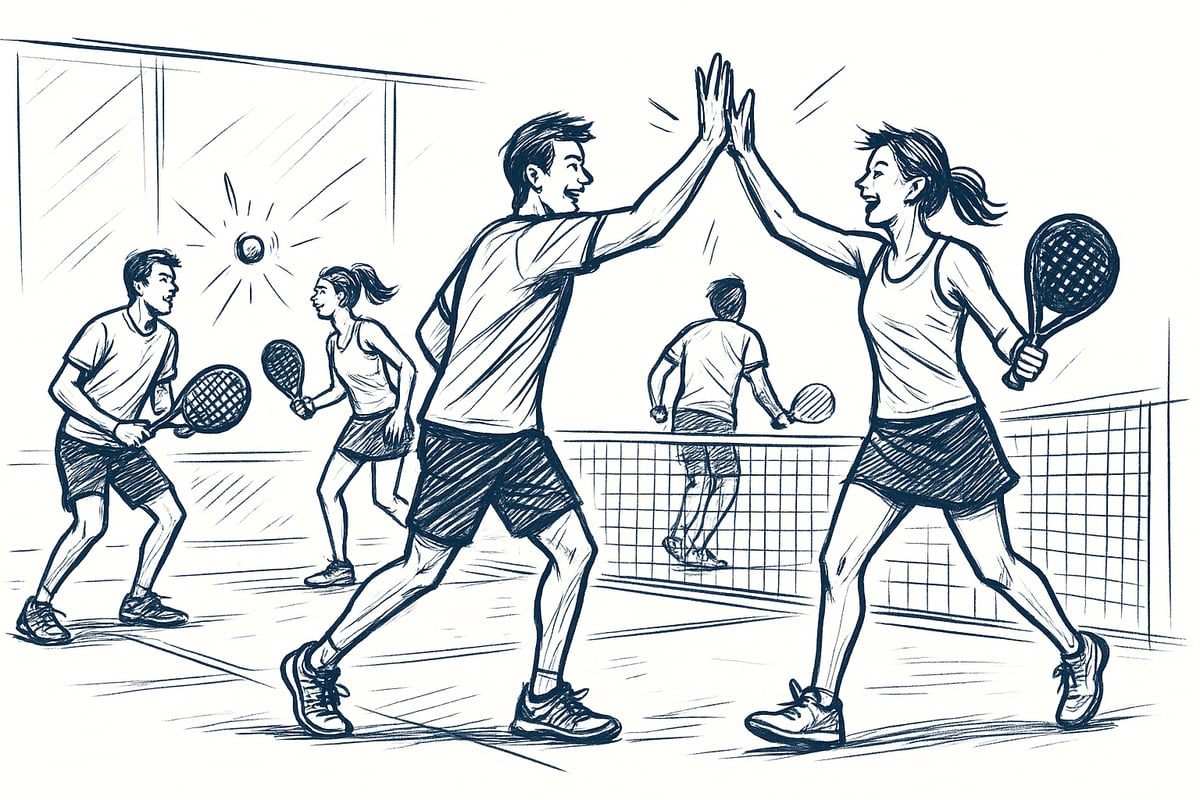
Don’t overthink what is padel. Step on court, take a breath, and play. Here’s how beginners level up quick:
Join a class or social session. Clubs in Bali and France offer free intros, so you meet people and learn basics fast.
Focus on control. Soft hands beat power. Aim for the open space, not the fence.
Watch regulars play. Notice how they move as a team, cover gaps, and use the glass.
Ask questions. Most padel scenes are chill and players love helping newcomers.
Example: In Bali, group lessons mix drills with real rallies, so you get feedback and fun at the same time.
Takeaway: The fastest way to improve is to play often, stay curious, and focus on having fun. That’s what is padel at its heart.
Leveling Up: Intermediate and Advanced Tactics
Want to win more? Here’s where tactics and awareness separate you from the crowd.
Master your serve. Keep it low, mix up placement, and stay unpredictable.
Use lobs to reset. If you’re under pressure, a high lob gives you time to get back in position.
Communicate non stop. Call shots, switch sides, and cover for your partner.
Record your games. Spot bad habits and see what works.
Example: In France, club tournaments reward teams that talk, adapt, and use smart angles over those who just hit hard.
If you want more tactical breakdowns, check out Padel blog articles and guides for deeper tips and strategy. No matter your level, what is padel is about thinking ahead, not just swinging.
The Social Side: Building Your Padel Crew
Padel is never solo. The doubles format means you’re always making friends, building crews, and sharing the fun.
Bring a buddy or just show up solo. Clubs in Italy and the US mix everyone for balanced games.
Join leagues, socials, or after-work mixers. You’ll meet players at your level and beyond.
Celebrate after games. In Italy, the post-match aperitivo is as legendary as the rallies.
Why does this matter? Because what is padel without the social side? The community keeps you coming back, helps you improve, and makes every match feel like an event.
Organizing Pickup Games: What Works Best
Want more games, less stress? Here’s how real players organize:
Use group chats, club boards, or apps to set up games.
Pick a regular time so everyone knows when to show.
Rotate partners. It keeps things fresh and helps everyone learn.
Example: In the US, Sunday morning pickup draws locals and travelers, making every session a new challenge.
Padel works best when everyone feels welcome, organized, and pumped to play.
The Global Growth of Padel: Trends and Future Outlook
Padel is on fire worldwide. Courts are booked, new clubs open every month, and everyone from students to CEOs wants in. If you’re asking what is padel and why it’s blowing up, here’s the lowdown on the sport’s global takeover, what’s fueling it, and how you can ride the wave.
Explosive Growth: Stats and Hotspots
Ask anyone in Europe or Latin America what is padel and you’ll get a big grin. By 2026, the sport is set to smash 25 million players worldwide. Spain leads, with over 15,000 courts, but France, Italy, Portugal, the UK, and the US are catching up fast. You’ll find new courts in unexpected places, from Paris rooftops to Bali surf towns. In Paris and Marseille, new venues open every month—players line up for court time. For a deep dive into numbers, check out Global Padel Statistics 2025. The takeaway: wherever you are, padel is never far.
Why Padel Appeals Across Cultures
What is padel’s secret sauce? It’s easy to try, hard to master. The rules are simple, so anyone can jump in fast. You don’t need to speak the language—just grab a racket, team up, and play. The doubles format breaks the ice instantly. In Bali, digital nomads meet locals at padel clubs. In Italy, aperitivo after games is a tradition. It’s less intense than tennis, more social than squash. No matter your age or skill, you’ll fit in. That’s why padel is exploding in every corner of the world.
Tech, Apps, and the Future of Padel
Tech is making what is padel even more accessible. Booking apps let you find games, track stats, and join leagues in seconds. Clubs use smart courts with video replays—great for sharing highlights or spotting ways to improve. Social media groups organize mixers and tournaments on the fly. In the US, centers use online platforms to fill courts and keep the vibe fresh. For more on these trends, see Padel Growth & Trends 2025. The future: more games, less hassle, better competition.
Opportunities for Players, Clubs, and Organizers
Wondering how to get more out of what is padel? Clubs host open sessions, skill clinics, and social tournaments that welcome everyone. Players can use apps to join games with the right vibe and skill level—no more mismatched teams. Organizers automate signups, grow their networks, and fill courts during slow hours. In Italy, clubs use digital tools to keep courts full from morning to night. The secret: stay flexible, use tech, and focus on fun. That’s how padel keeps growing.
Getting Started with Padel: Your Next Steps
Thinking about jumping into padel? Here’s your real-world playbook for finding games, making friends, and leveling up fast. Whether you’re new or just looking for a better routine, this is where the action begins.
Finding Your First Game or Club
Ready to play but not sure where to start? Finding your first padel game is way easier than you think. Just search “what is padel” near me or use a dedicated app to get local options in seconds. Many clubs offer free or discounted taster sessions—perfect for testing the water. Don’t stress about bringing a crew. Solo players are always welcome since the doubles format means you’ll get paired up.
If you’re in France, check out Padel clubs in Paris for a full list of courts and social sessions. In Spain, walk-in games are the norm, so you can just show up and get in the mix. Pro tip: Don’t wait for the perfect day. Grab a spot, show up, and let the game do the rest.
What to Expect as a New Player
Wondering what is padel like for beginners? Expect a super friendly, social vibe from the first minute. Most clubs go out of their way to welcome new players, and the learning curve is quick. You’ll pick up the basics in your first session, and it’s common for more experienced players or coaches to offer tips during games.
In Bali, for example, first-timers often get paired with regulars for instant feedback and encouragement. The focus is always on fun over perfection. Don’t worry about making mistakes—everyone started somewhere. The key is showing up and joining in.
Building Your Weekly Routine
Once you know what is padel and have played your first game, it’s all about building momentum. Set a regular time each week to play—consistency is the fastest way to improve and build your community. Most clubs offer open sessions, leagues, or social mixers so you can keep things fresh.
Use alerts in apps to snag last-minute spots or fill in when others drop out. In the US, after-work games are popular and fill up fast, so set reminders to catch open slots. The more you play, the quicker you’ll see progress and start building your own crew.
Leveling Up: Where to Go Next
You’ve got the answer to what is padel, you’ve played a few games, now what? Take it up a notch by joining club leagues, signing up for lessons, or jumping into a tournament. Watching pro matches online is a killer way to steal new moves and strategy ideas.
Bring friends into the game to make every session more fun and competitive. In Italy, club tournaments are designed to mix beginners and advanced players, so everyone gets a shot at the action. Keep playing, keep learning, and watch your skills—and your social circle—grow every week.
So you’ve got the basics down and you’re itching to try padel for yourself Trust me the fastest way to really get what makes this sport awesome is to get on court and play a real game Whether you’re in France the US Italy or chilling in Bali there’s a crew waiting for you Poteau makes it super easy to find legit local games that actually fit your skill and schedule No more waiting around or feeling out of place You get matched with players at your level so every session is fun and competitive Ready to see what padel is all about Find a game near you