Download Poteau
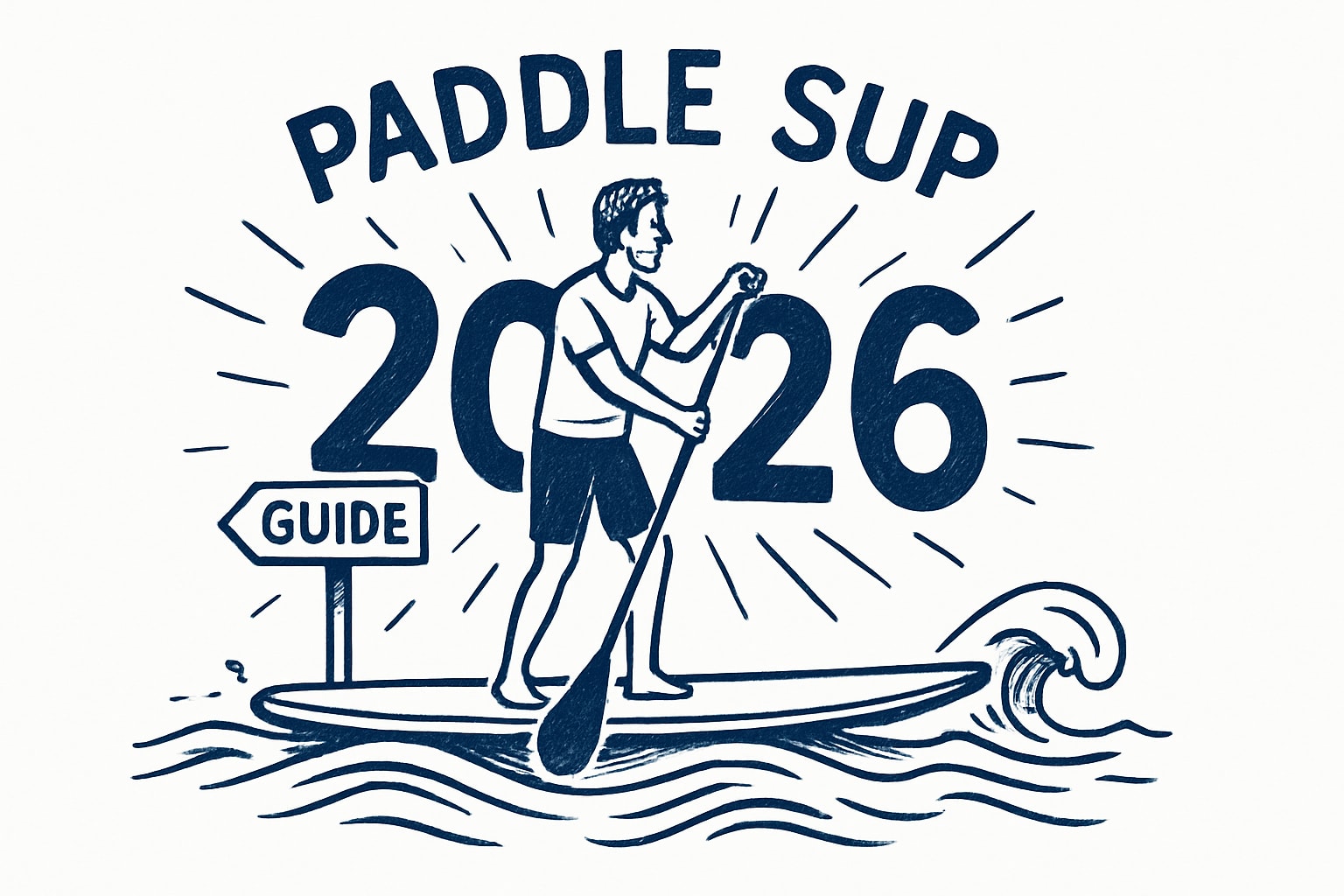
Paddle SUP Guide 2026: Expert Tips for Every Skill Level
Paddle SUP is blowing up worldwide, and 2026 is your chance to get ahead of the game. Whether you’re just starting out or already crushing it, this guide is packed with tips that actually work on the water.
You’ll find gear breakdowns, technique secrets, safety basics, and pro hacks to level up fast. Want to know the latest trends or how to pick the perfect board for your next session? It’s all here.
Ready to ride smarter, stronger, and safer? Dive in and let’s make every paddle session count.
Paddle SUP Basics: What Every Rider Needs to Know
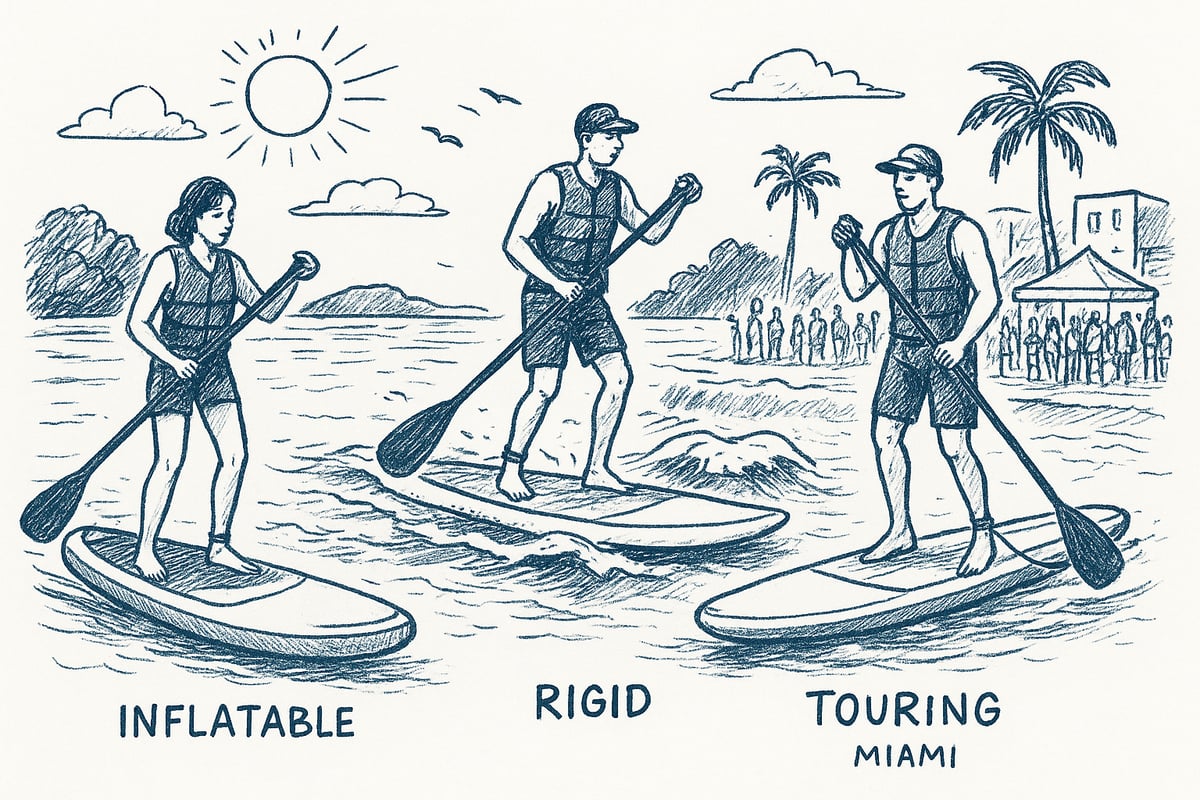
Paddle SUP is blowing up everywhere. You see it on French rivers, Bali beaches, and Miami events. If you’re curious about jumping in or want to step up your game, start with these basics. Here’s what paddle sup is, what gear you need, and how to pick the right board for you.
What Is Paddle SUP? Key Concepts and Quick History
Paddle SUP stands for stand up paddleboarding. You stand on a wide board and use a long paddle to cruise across water. Unlike kayaking or surfing, paddle sup is for everyone, no matter your age or fitness. It’s easy to learn, and you can do it on lakes, rivers, or the ocean.
The sport exploded recently. In 2023, 3.4 million people in the US tried paddle sup, and numbers keep rising worldwide. Why? It’s social, fun, and you get a full-body workout. Core strength, balance, and low-impact movement make it a favorite for weekend warriors and families.
You’ll spot community paddle sup events in places like Miami and Bali, where locals and travelers mix, swap tips, and help each other out. Want more insider tips? Check SUP tips and guides for up-to-date advice from the global paddle sup scene.
Essential Gear: Boards, Paddles, and Accessories
Let’s break down your kit. The right paddle sup gear makes or breaks your session. Here’s what you need:
Board types: Inflatable (easy to store, travel-friendly) or rigid (stiffer, more performance).
Shapes: All-round (good for beginners), touring (for distance), surf (for waves).
Paddles: Size matters. Go for carbon if you want lightness, aluminum for budget, fiberglass for balance.
Must-haves: Leash (don’t lose your board), PFD (safety first), dry bag (keep your phone dry), sunblock.
Pick gear for your skill and local spots. If you’re learning on French lakes, most beginners love wide, stable boards. They’re forgiving, easy to balance, and give you confidence to focus on technique. Paddle sup gear is all about matching your goals to your water.
SUP Board Selection by Skill Level
Choosing your paddle sup board is like picking the right shoes for soccer. Beginners want stability and durability. Wide, thick boards help you stay upright and learn fast.
Intermediates look for glide and speed. You’ll want a board that tracks straight and turns when you ask. Touring shapes or narrower all-round boards are ideal.
Advanced paddlers go specialty: racing boards are long and fast, surf SUPs are short and nimble. In Europe, inflatables outsell hard boards two to one. They’re easier to carry, store, and perfect for city life.
Real talk: If you paddle the Seine in Paris, you’ll want a stable, maneuverable board. On the Pacific, a surf-specific paddle sup gives you control in waves. Match your board to your playground and your paddle sup sessions will always feel on point.
Step-by-Step: How to Paddle SUP Like a Pro
Ready to take your paddle sup game from shaky to smooth? Here’s your no-nonsense, skill-building playbook. Whether you’re trying your first launch or eyeing a race in LA, these steps break it down for every level.
Step 1: Launch and Stand Up with Confidence
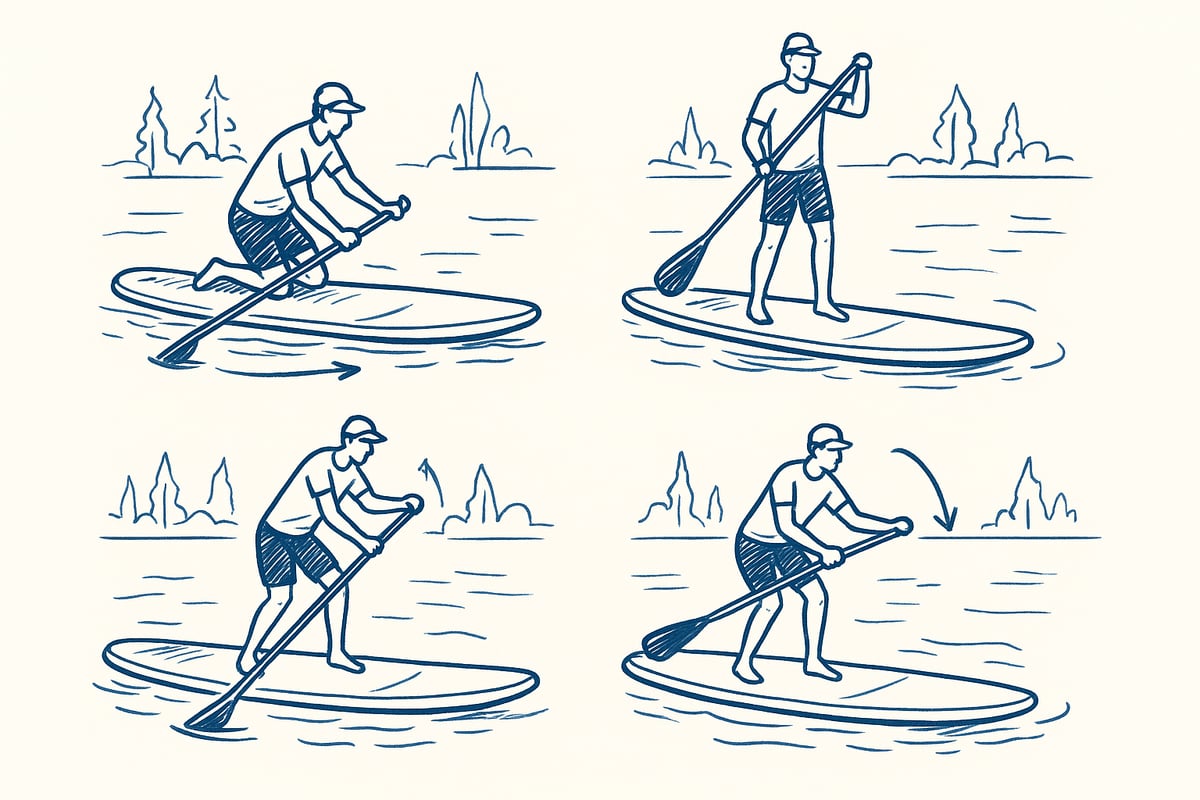
Start in shallow, calm water. Place your paddle sup board flat, climb on from the side, and kneel in the center. Feet should be shoulder-width apart, knees soft.
Plant your paddle in the water for balance as you rise to standing. Keep your gaze ahead, not down. This helps your body stay loose and ready.
Common mistakes:
Locking knees
Staring at your feet
Rushing the stand-up
Pro tip: In Lake Como, beginners always practice standing up next to a dock or a buddy’s board. It’s about confidence, not speed. If you fall, no stress. Just climb back on and try again.
Step 2: Master Basic Paddle Strokes
Once you’re upright on your paddle sup board, nail the basics. The forward stroke starts with a long reach, blade fully in the water, then pull back to your feet and exit clean.
Need to stop? Use the reverse stroke, planting the blade behind you and pulling toward the front. For turning, try the sweep stroke: a big arc from nose to tail.
Drills to lock it in:
Practice switching paddle sides every few strokes
Do slow circles to control turns
Try backing up smoothly
Before hitting waves, spend time on flat water. Solid paddle sup skills here make every adventure easier.
Step 3: Balance and Stability Secrets
Balance is everything on a paddle sup. Engage your core muscles and keep your eyes on the horizon. If the water gets choppy, widen your stance a bit for more control.
Use micro-moves with the paddle to steady yourself. Quick tap in the water, tiny shifts with your hips, and you’ll recover from wobbles fast.
Did you know 80% of beginners fall in the first half hour? Totally normal. In Bali’s beach breaks, even the locals take spills. The trick is to laugh it off, get back up, and keep paddling.
Step 4: Progress to Advanced Techniques
Ready to level up your paddle sup skills? Try cross-bow turns: swing the paddle across the nose for sharp direction changes. Pivot turns mean stepping back on the tail and spinning fast.
Work on efficient strokes for endurance and speed. Start reading water—watch currents and wind, adjust your plan on the fly.
Want to train like the pros? Advanced clinics in Los Angeles offer race day drills, surf SUP tips, and group sessions. Push yourself, join a local club, and watch your paddle sup confidence soar.
Safety First: SUP Rules, Etiquette, and Risk Management
Ready to level up your paddle sup game? Safety is the secret weapon. Whether you paddle Miami’s busy coast or a quiet French river, playing smart keeps every session fun. Let’s break down the essentials so you can ride with confidence.
Know Your Water: Rivers, Lakes, Ocean, and Weather
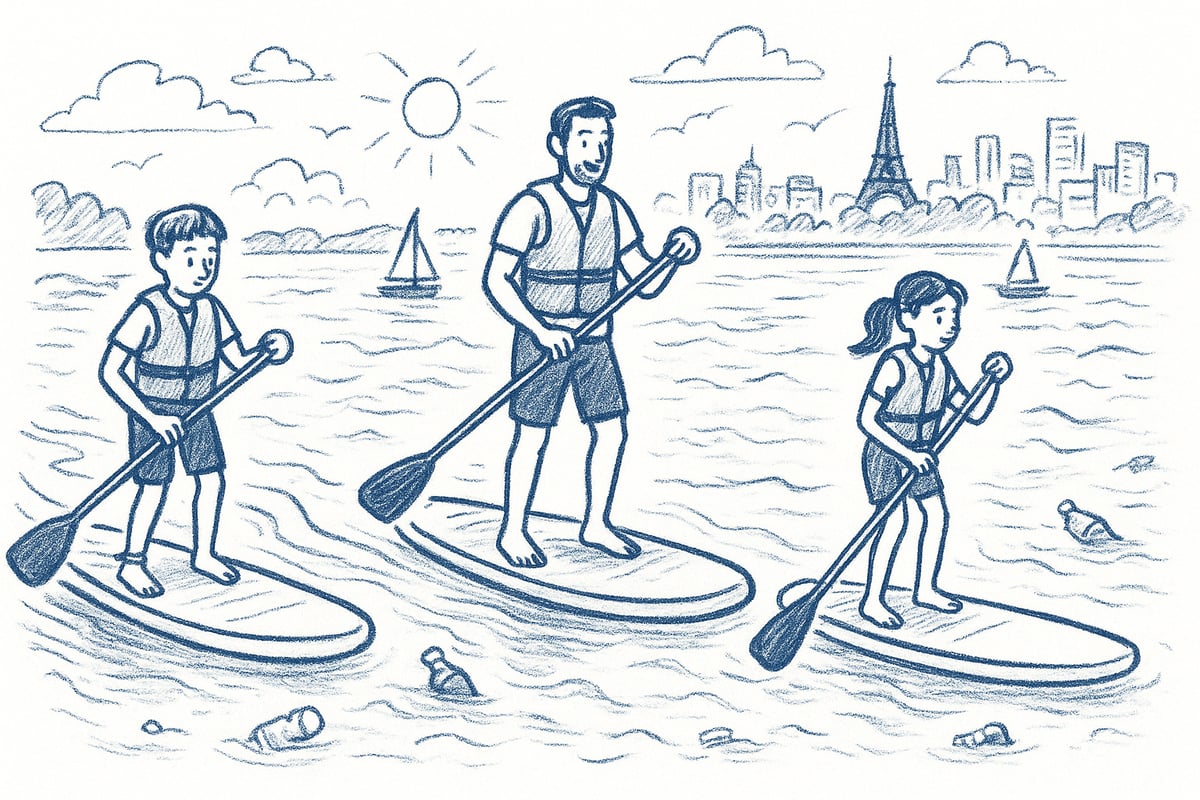
Every paddle sup spot is different. Before you hit the water, scout for hazards:
Tides and currents: Rivers like the Seine shift fast, while the Mediterranean can whip up surprise waves.
Boat traffic: Busy areas mean more wake and less space.
Debris: Floating logs or trash can flip you in seconds.
Weather: Check wind speed, storms, and sudden temperature drops.
Always tell someone your paddle sup route. In the US, Hudson River paddlers share float plans, so friends know where to find them if something goes wrong. In Italy, a quick weather check before Lake Como sessions is non-negotiable. Respect local warnings, and never underestimate changing conditions.
Essential Safety Gear and Practices
Gear is your paddle sup insurance. The basics:
Leash: Keeps you connected to your board if you fall.
PFD (Personal Flotation Device): Required in most places, and a real lifesaver.
Sun protection: Rash guards, hats, and reef-safe sunscreen.
Hydration: Bring water, especially for long rides.
Dry bag: Protects your phone and keys.
Self-rescue skills: Practice remounting, towing, and how to signal for help.
Data shows 90 percent of paddle sup incidents happen when riders skip safety gear. Don’t be part of that stat. Want a deeper dive? Check out these SUP safety tips from RNLI for expert guidelines on gear and conditions. In Bali, locals never paddle without a leash, even on calm mornings.
SUP Etiquette: Sharing the Water Responsibly
Good vibes on the water start with solid paddle sup etiquette:
Yield: Give way to swimmers, kayakers, and boats.
Respect wildlife: Stay clear of nesting birds and protected zones.
Group paddles: Keep space between boards, use hand signals, and chat about your route before launching.
Follow local rules: In Paris, permits and quiet zones matter. In Miami, noise ordinances keep the peace.
Group paddles in Miami flow smoothly when everyone respects the rules. In Paris, SUP clubs organize sessions with clear signals and spacing, making the ride safer and more social. Paddle sup is for everyone, so keep it friendly, safe, and fun every time.
Level Up: Training, Drills, and Techniques for Every Skill Level
Ready to push your paddle sup game? No matter where you start, there’s a drill or tip here that gets you moving better, faster, and with more confidence. Let’s break it down so you can see results every time you hit the water.
Beginner Drills: Build Confidence and Balance
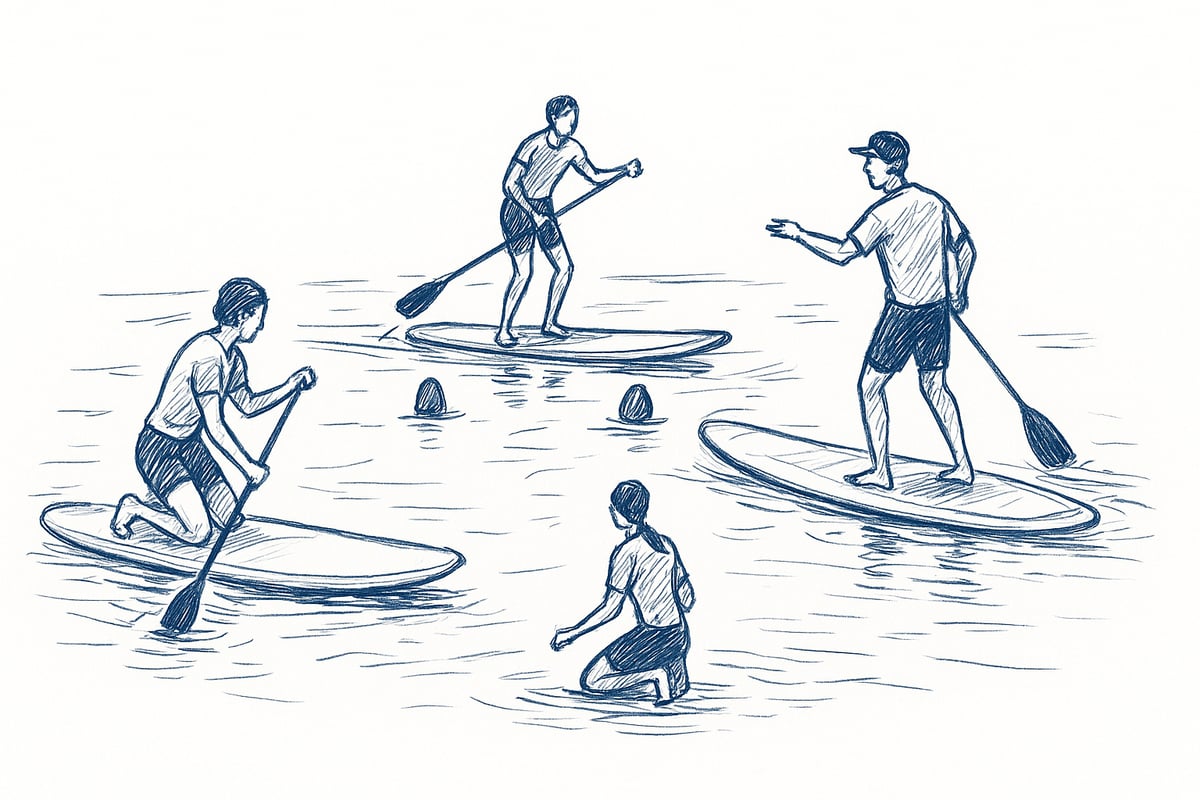
Starting out with paddle sup? Focus on getting comfortable fast. Here’s how you build solid ground:
Begin on your knees. Paddle around until you feel stable.
Practice standing up in one smooth motion—feet shoulder width, eyes forward.
Play balance games: try lifting one foot, or touch the nose of your board.
Use buoys or floating markers to practice turning in a circle.
Weekly meetups in Lyon are perfect for new riders. They break down basics, show drills, and get everyone on the water together. Want to join or watch? Check out SUP training in Lyon for schedules and community vibes.
Intermediate Challenges: Speed, Endurance, and Maneuvering
Once you’re up and paddling, it’s time to push your limits. These paddle sup drills will get you in shape and make you sharper:
Try interval sprints: paddle hard for 30 seconds, then recover for 1 minute.
Practice tight turns around buoys, both clockwise and counterclockwise.
Work on quick stops—reverse stroke and plant your paddle.
Mix in cross-training like yoga, swimming, or core workouts.
River sprint sessions in Bordeaux are a great way to test your skills and meet other intermediates. You’ll see real progress after a few focused sessions with these drills.
Advanced Skills: Racing, Surf SUP, and Touring
Ready to go big with paddle sup? Advanced paddlers take on new challenges:
Practice race starts with explosive paddling and quick stance shifts.
Learn to draft behind other boards for speed and efficiency.
Tackle surf SUP: read waves, time your entry, ride with control.
Plan long-distance tours—pack smart, track your route, and manage energy.
Multi-day SUP tours on Italy’s lakes give you everything: endurance, navigation, and epic scenery. The right prep and advanced techniques turn these trips into lifetime memories.
Community and Coaching: Learn from the Best
The fastest way to improve in paddle sup? Train with others who push you. Here’s how:
Join a local SUP club or community group for regular sessions.
Take lessons from certified instructors—they’ll spot issues and fix your form.
Watch video tutorials and join online forums for tips and troubleshooting.
Group training in Bali is legendary for motivation, skill sharing, and fun.
The more you connect, the more your paddle sup skills grow. Learning together keeps you stoked and coming back for more.
SUP Trends for 2026: What’s New and What’s Next?
The paddle sup scene is getting a major upgrade in 2026. New tech, fresh fitness trends, and wild travel adventures are changing the way you ride. Let’s break down what’s hot, what’s next, and how you can get ahead of the curve.
Gear Innovations: Boards, Paddles, and Tech
Paddle sup gear is getting smarter, lighter, and greener. You’ll see boards with built-in GPS and fitness trackers, letting you map every session and track your stats right on the water. Eco-friendly boards are everywhere, using recycled plastics, bamboo, and plant-based resins. Adjustable paddles with ergonomic grips are now standard, making long rides easier on your hands.
Inflatable boards are leading the market, outselling hard boards across Europe.
Top-rated 2026 inflatables in France feature quick-inflate valves and reinforced seams.
New accessories: solar-powered lights, waterproof speakers, and ultra-light dry bags.
Want a deep dive on the numbers? Check out the latest SUP market growth statistics to see why paddle sup is booming worldwide.
SUP Fitness and Cross-Training
Paddle sup is not just about cruising. In 2026, SUP yoga and fitness classes are everywhere. Hybrid boards—think SUP-yak, wind-SUP, and even e-SUP—let you mix up your routine or bring a friend along. Community races and fitness events are popping up from Miami to Lyon.
40 percent of new paddle sup buyers say fitness is their main reason for getting on board.
SUP yoga classes fill up fast, especially on calm lakes and city rivers.
Hybrid boards help you train for strength, balance, and cardio in one session.
Try joining a group class or challenge a friend to a paddle sup sprint. You’ll get fit and have a blast.
The Rise of SUP Adventures and Travel
Travel is the next big thing for paddle sup. Destinations like Bali, the Italian lakes, US coasts, and French rivers are top picks for 2026. Guided tours and SUP safaris make it easy to explore new waters, meet locals, and level up your skills.
Book a multi-day paddle sup holiday for a real adventure.
Pack smart: inflatable boards, travel paddles, and compact bags make flying simple.
Example: In Italy, SUP tours let you paddle from village to village, stopping for local eats.
Looking to plan your next paddle sup trip? Start early, join a tour, and bring friends for the best vibes.
Gear Maintenance and Storage: Keep Your SUP Ready Year-Round
Take care of your paddle sup, and it will take care of you. Whether you’re paddling on the Seine or catching waves in Bali, good maintenance means more play, less stress. Here’s how to keep your gear game strong all year.
Keep It Clean
Rinse your paddle sup with fresh water after every session. Salt, sand, and grime can damage your board and paddle fast. Use a soft brush to scrub off dirt, especially around the fin and handle.
Make it a habit, even after a lake session. Avoid leaving your board out in the sun to dry. UV rays will fade colors and weaken materials.
Inspect and Protect
After each outing, check your paddle sup for dings, cracks, or leaks. Don’t forget the paddle blade and shaft. If you spot a soft spot or bubbling, fix it before your next ride. A quick patch can save you from a swim back to shore.
Look for:
Soft spots or dents
Leaky valves (inflatable boards)
Frayed leashes
Store Like a Pro
Stash your paddle sup indoors when you can. In a Paris apartment? Stand it up in a hallway or closet, fin off, and out of sunlight. In Bali, keep it shaded and dry. For inflatables, deflate, roll loosely, and store in a cool spot.
Never stack heavy stuff on your board.
Use a board bag for extra protection.
For longer trips, secure your paddle sup on a roof rack or take it on public transit in a carry bag.
Off-Season and Repairs
When winter hits, clean and dry your paddle sup before putting it away. Repair any dings now—not in spring when the water calls. Check your paddle, leash, and PFD for wear.
For more expert maintenance and safety tips, check out SUP safety tips by ASI.
Take care of your gear and your paddle sup will always be ready for the next session, no matter where you play.
You’ve got the tips, the gear rundown, and the inside scoop on what’s hot in paddle SUP for 2026. Now it’s time to put it all in motion. If you’re ready to hit the water—whether you’re just starting out or already nailing advanced strokes—don’t wait for the perfect moment. Grab your board, round up your crew, and make tonight the night you level up your game. Trust me, nothing beats getting out there and actually paddling with others who are as stoked as you are. Want in on the action? Play tonight