Download Poteau
Essential Guide to Mastering Positioning in Padel 2026
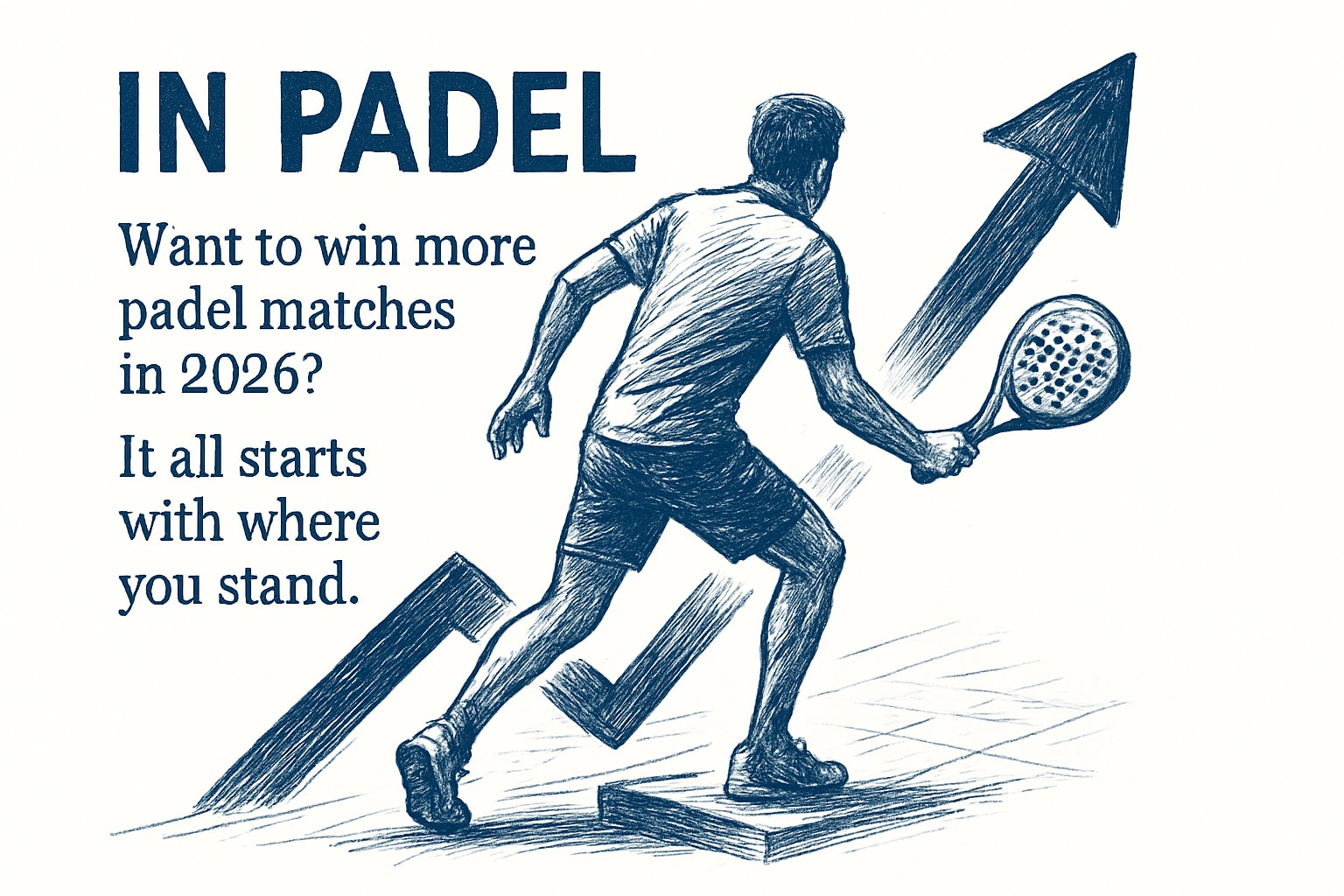
Want to win more matches in padel in 2026? It all starts with where you stand. Most players never realize how much court position changes everything.
Smart positioning in padel is your secret weapon. Whether you’re just playing weekends or aiming for the top, this guide breaks it all down.
Here’s what you’ll get:
Core principles that actually win points.
How to move as a pair, not just solo.
Adapting your stance for attack or defense.
Pro tips for every court zone.
Drills and real practice ideas for instant improvement.
Ready to boost your game? Let’s dive in and get you set up for more wins, more fun, and less stress every time you step on the court.
The Fundamentals of Padel Positioning
Want to level up fast in padel? It all starts with where you stand and move. Forget just swinging harder—the right spot at the right moment changes everything.
Why Positioning Matters in Modern Padel
Positioning in padel is the secret sauce for winning points, not just looking good. Over 60% of amateur mistakes come from being in the wrong spot. Ever get lobbed because you crept too close to the net? Or see a huge angle open up for your opponent? That’s positioning costing you the rally.
Modern padel is faster than ever. It’s not about standing still. The difference between static and dynamic positioning is huge. Static means you’re a statue—easy target. Dynamic means you’re ready to move, react, and cover ground with your partner.
Great positioning affects every shot you take. It helps you recover, pick smarter shots, and stay one step ahead. When you know you’re in the right place, your confidence goes up. Think of it like chess—always planning your next move, not just reacting.
Want to dive deeper? Check out this Padel strategies and tips blog for breakdowns from the pros and more real-world advice.
Key Zones on the Padel Court
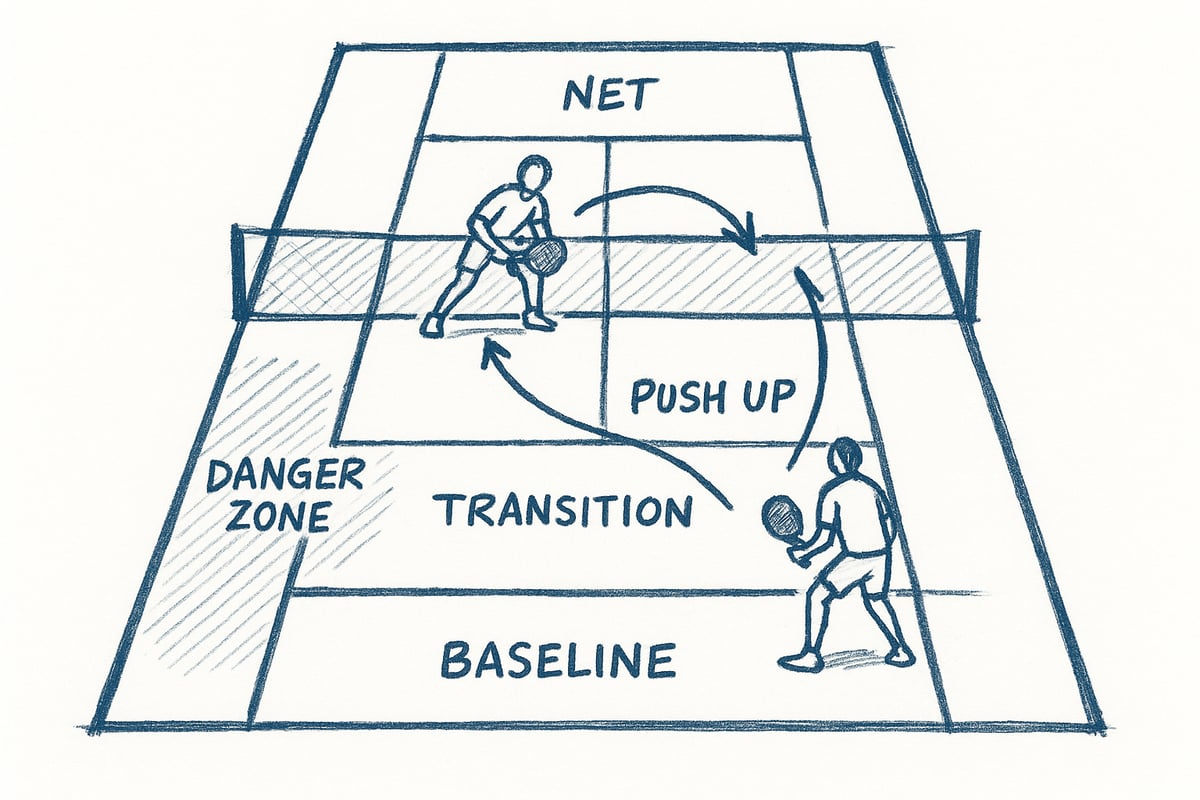
There are three main zones in padel, and each one brings its own rules.
Net zone: This is where you win most points. Push up when you see a weak return or after your lob lands deep. Stand about an arm’s length from the net, paddle up, knees bent.
Baseline: Best spot for defense. Stay a couple steps from the back glass, ready to sprint forward or chase a lob. Don’t camp out—move with your partner.
Transition area: The “danger zone” for new players. If you hang here, you’ll get passed or lobbed. Move through it quickly—either commit to the net or drop back.
Left and right sides have different jobs. The left covers more overheads and the middle; the right guards the line and angles. Talk it out before every point.
Picture this: You and your partner are pinned at the baseline in Bali, sun in your eyes. Your opponents hit a slow lob. You call “up,” move as a unit, and suddenly you’re at the net, ready to attack. That’s smart positioning in padel—taking the right space at the right time.
Get these basics down, and you’ll start reading the game like a pro in padel.
Moving as a Pair: Synchronizing with Your Partner
Moving together is the secret sauce in padel. If you and your partner move like a unit, you cover more ground, close gaps, and frustrate every opponent. When you move as a team, you turn defense into attack in a flash. Miss it, and you leave open spaces all over the court.
The Golden Rule: Move Together, Win Together
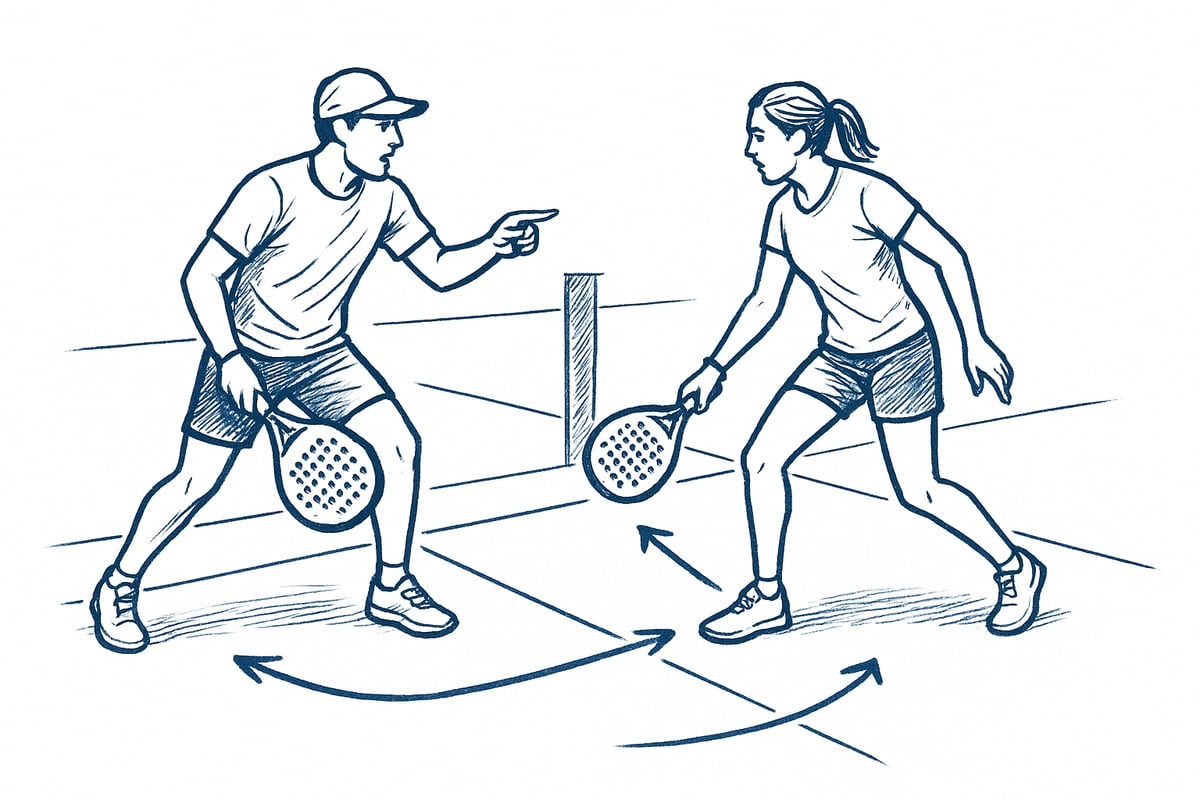
Here’s the deal in padel: you’re never alone. If you charge the net while your partner lags at the baseline, you gift your rivals an open lane for an easy winner. That’s the classic mistake—one up, one back. Instead, keep a tight line. Always move side-to-side with your partner, like you’re connected by an invisible rope.
Communication is king. Call “mine” or “yours” loud and clear. Use hand signals or quick shouts to signal shifts. The best duos in the World Padel Tour are glued together, always closing the middle gap and covering for each other. According to Movement Patterns and Player Load: Insights from Professional Padel, top-level pairs move in perfect sync, cutting off passing shots and forcing errors.
Got a new partner in Paris or Bali? Adjust your movement. If they’re less experienced, talk more. Call positions, give reminders, and cover a little extra until they find their rhythm.
Try these drills:
Partner mirror: move side-to-side, copying each other’s steps.
“Invisible rope” drill: tie a band (or pretend) and never let it slack.
Point rally: play a game where winning only counts if you both move together in padel.
When you’re both in sync, you’ll feel the confidence build. Rallies get longer, and mistakes drop fast.
Lateral and Forward/Backward Movements
Shifting left and right is your bread and butter in padel. If your partner moves wide to cover a volley, you slide over to fill the center. Never leave the “corridor” open—opponents will spot it and punish you.
After a good lob or a sneaky chiquita, both players push up together. Don’t rush alone. If you both move forward, you own the net and force weak returns. On defense, if a deep lob comes your way, drop back in unison. Trust your partner to call the ball, especially when it’s bouncing off the back glass.
Defending a corner in padel? If your partner is pulled wide, you must shuffle to the middle, ready to cut off the next shot. Quick tip: always face the ball, stay on your toes, and keep your paddle up.
Mistakes to avoid:
One player hanging back while the other is up.
Both chasing the same ball, leaving gaps.
Forgetting to reset after a tough rally.
The best pairs practice these movements every session. Use cones or tape to mark zones, and focus on moving together—not just hitting better shots. You’ll see the results instantly next time you play.
Positioning for Attack: Taking and Owning the Net
Taking the net is where you win the big points in padel. It is not just about charging forward, it is about knowing when to move and how to hold your ground. If you want to dominate rallies, you have to own the front of the court.
The Net Game: Where Matches Are Won
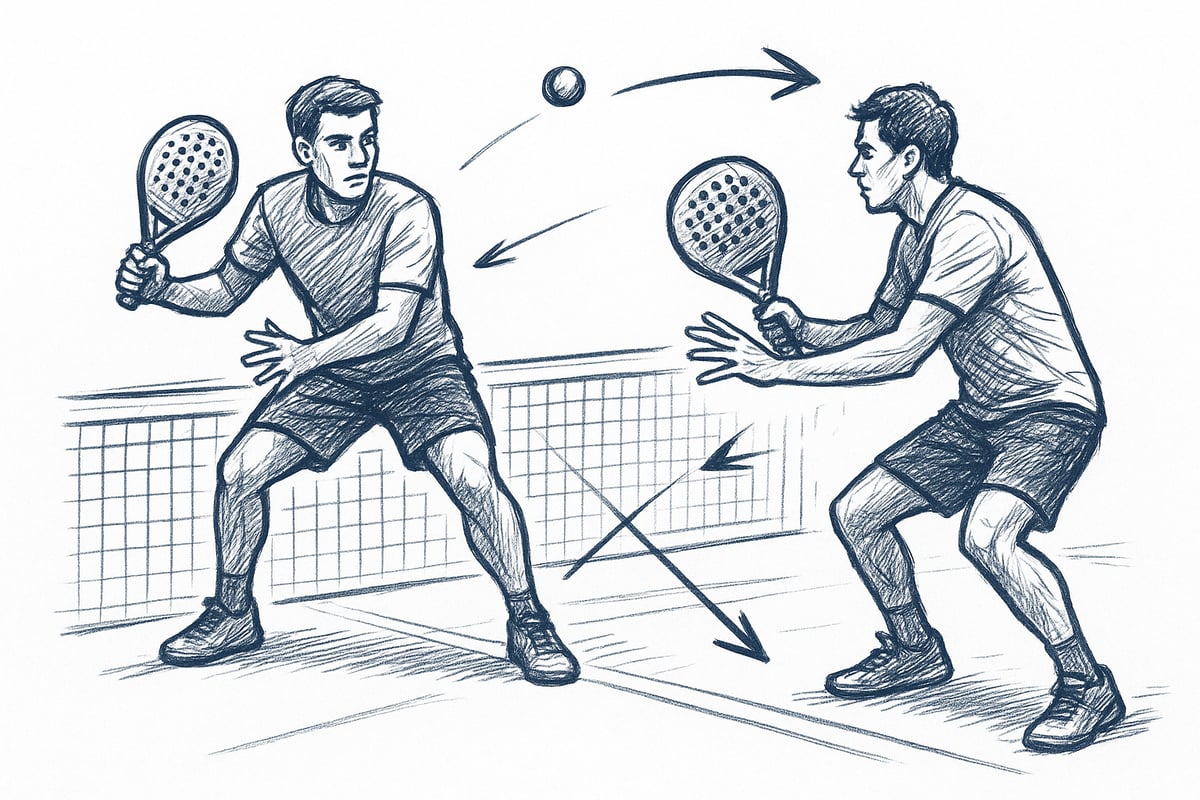
Most points in padel are won within a few feet of the net. Stats show 70% of rallies end here. The secret? Do not just run up, time your move after a smart lob, a chiquita, or when your opponents hand you a weak return.
Your net stance matters. Stand about an arm’s length from the net, paddle up at chest height. Stay light on your toes and use a split-step as the ball crosses over. This keeps you ready for quick volleys or sudden lobs.
Working with your partner is everything. One covers the line, the other shades the middle. If you leave the center open, opponents will punish you. Watch the pros, especially during a “bandeja” – they set up early, paddle high, feet ready to explode in any direction.
Want to see how top players adjust their position for the perfect shot? Check out this research on Ball Impact Position in Recreational Male Padel Players to learn why even a few steps can make or break your volley.
Drill it in practice. Try one-up, one-back games, or shadow movement with your partner. Focus on holding net position, not just blasting winners. This is how you start dictating points in padel.
Transitioning from Defense to Attack
Switching from defense to attack is all about reading the play. When your opponent hits a lob that hangs or a slow chiquita, that is your green light to move up together. Do not rush – if you sprint up too soon, you leave space behind and get lobbed again.
Communicate every move. Call out “up” or “hold” so your partner knows the plan. If you are both moving, cover your zones: one edges toward the line, the other shades the middle. If a lob comes, decide fast who takes the overhead and who drops to cover the return.
Here is how to practice: Start rallies from the baseline. Use the lob to push forward. As soon as you get net, hold your position, work on split-step timing, and recover quick if you get pushed back. In padel, these little shifts turn defense into instant attack.
The best players in padel do not just react, they anticipate. Watch their feet, listen for their calls, and see how they always move as a pair. Try these moves in your next game and you’ll feel the difference in your confidence and control.
Positioning for Defense: Surviving & Countering Under Pressure
Big rallies in padel often come down to defense. If you want to level up, you need to know exactly where to stand, how to move, and how to reset when the pressure hits.
Defensive Stance and Recovery
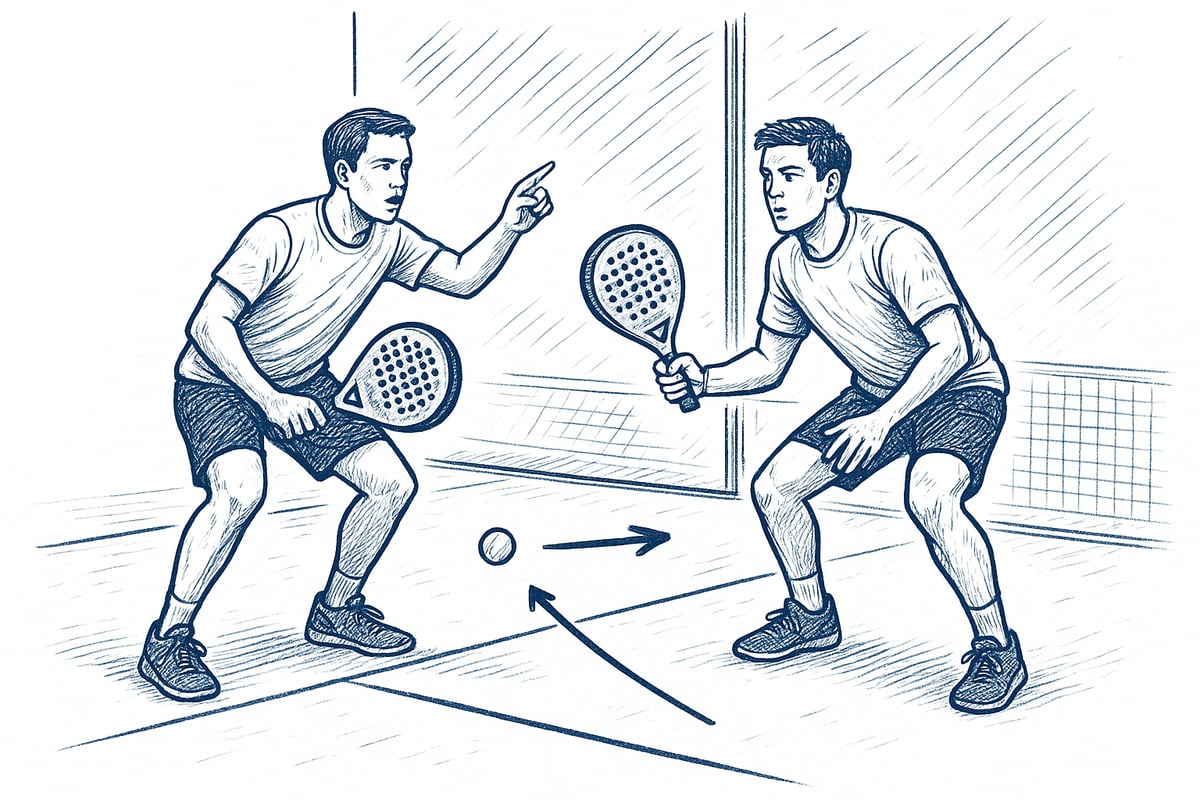
First rule in padel defense? Never get stuck flat-footed. Stand about a meter from the back glass, knees bent, paddle ready at chest height. This puts you in the sweet spot to react to fast shots or tricky bounces.
When returning serve, both players should stay side by side, ready to cover angles. If a lob goes up, both of you drop back together. One takes the shot, the other covers the middle. Communication here is everything.
Footwork matters. Keep your steps short and light. Always face the net so you see both the ball and your partner. In humid places like Bali, balls can skid off the glass, so be extra alert for weird bounces.
Quick reset after a tough rally:
Both players hustle back to the baseline.
Check your spacing, stay connected.
Call out who's got the next ball.
Drills to try in padel practice:
Glass rebound drills: react to the unpredictable.
Split-step and recover: reset after every shot.
Partner “switch” drills for covering corners.
Communication and Anticipation
Defense in padel is a team sport. Talk every point. Call out “switch” if you need to swap sides, or “yours” if the ball is out of reach. Use hand signals if you play somewhere loud, like an indoor court in Paris.
Watch your opponent’s body. If their paddle drops, expect a lob. If they lean forward, get ready for a fast volley. Top players master this by studying visual cues on court. Want to see how experts do it? Check out the Visual Behaviours of Expert Padel Athletes When Playing on Court for tips on reading the game before the ball even leaves the strings.
Avoid double coverage. If both of you chase the same ball, you leave a huge gap. Trust your partner’s call and cover the open space instead.
Takeaways:
Always communicate, even if you think it’s obvious.
Read the play before it happens.
Use signals and voice to stay connected.
Lock in these habits in padel and you’ll survive the toughest rallies—and maybe even flip defense into attack.
Adapting Positioning for Different Opponents and Conditions
You want to level up in padel? You have to read the game and adapt fast. Every opponent brings a new puzzle. Every court feels different. Get this right and you’ll always have the edge.
Adjusting for Playing Styles
Playing styles in padel change everything. Facing lobbers? Stay patient at the baseline, don’t bite too early. If you both rush the net, you’ll get burned by another high lob over your heads.
Aggressive smashers force you to tighten up your defense. Give them less angle by closing the middle with your partner. Watch their body language: is the racket dropping for a smash, or are they winding up for a soft drop? Adjust your stance accordingly.
Left and right-handed pairs mix things up even more. Their coverage and angles can throw you off. If you’re playing left side against a lefty, expect tricky cross-court attacks. Check out this study on how playing position affects movement in padel for a deep dive on why your side really matters.
Regional styles matter too. In France, expect tactical rallies and more back glass use. In the US, you’ll see faster, flatter shots. Always scout your opponents in warm-up to spot their habits.
Adapting to Court Surface and Weather
Court surface is a silent game-changer in padel. On fast courts, the ball zips through—stand a little deeper to react in time. On slow, gritty surfaces, step up and attack short bounces before they die.
Wind and sun? That’s where street smarts kick in. In Italy’s outdoor clubs, a gusty day means lobs drift sideways. You and your partner should communicate more, call every ball, and stay flexible in your coverage.
Playing indoors in France? Expect a truer bounce, but don’t get lazy—opponents will use the glass more, so keep your spacing tight.
Quick checklist for adapting:
Scan the court before you play.
Watch the first few rallies and adjust your depth.
Talk with your partner every changeover.
Mastering these shifts in padel is what separates casuals from game-changers. Try a new court or opponent type each week to sharpen your instincts.
Practicing Positioning: Drills, Games, and Tech Tools
Want to see real progress in padel? The secret is repping your movement in drills, then testing it live with partners who care as much as you do. If you just show up and hit, you’ll stay stuck. Practice your court sense and you’ll start reading plays like a pro.
Effective Drills for Real-World Improvement
Here’s how to get sharp in padel—no waiting for coaches or fancy setups.
Shadow movement: Walk through the court zones, split-step, and react as if a ball’s coming. It’s like muscle memory for where you need to be in padel.
Partner mirror drills: Grab a buddy, pick a zone, and move in sync. Call out “up,” “back,” or “switch.” You’ll both start to feel those instinctive shifts that win rallies in padel.
Live point games: Play out rallies but score only if your team keeps the right shape. Forget about the winner, focus on who covers gaps best in padel.
Film your games: Even your phone works. You’ll spot lazy recoveries or open corridors you never noticed in padel.
Set up cones or markers: Mark the net zone, transition, and baseline. Run drills hitting each spot after every shot in padel.
Push yourself to actually rehearse these. Once you move better, your shots get easier, and your confidence soars.
Leveraging Apps and Community Play
Want to practice positioning with the right people, not just whoever’s around? The best players in padel find games where everyone’s on a similar level. That’s how you avoid wild mismatches and wasted time.
Use apps that match you by skill. Padel skill level matching lets you find partners who push your movement, not just your strokes.
Set up sessions with a “positioning focus.” Message your group: “Let’s drill court coverage, not just hit winners.”
Use smart alerts to get notified when a balanced game pops up, whether you’re in Paris, Miami, or Bali. No more endless group chats.
Bring a friend or two who also wants to work on movement. The vibe gets better, and you both improve faster.
Review your sessions after. Ask: Did we move as a pair? Did we cover the middle? What would we change next time?
Playing smarter in padel is all about the right practice, the right crew, and the right mindset. Start now and you’ll see it in your next match.
You’ve got the positioning tips—now it’s time to put them to work. The best way to get sharper is simple: play more games with players at your level. That’s how you spot the gaps, sync up with partners, and actually feel your movement getting smoother every week. Whether you’re new to padel or chasing that next skill tier, you’ll learn ten times faster when you’re on court with the right crew. Ready to level up your positioning for real? Find a game near you and let’s get playing.