
Ultimate Guide to Padel Square: Tips, Rules, and Trends 2026
By the Poteau Team · updated
Padel square is taking over. New courts are popping up in Paris, Cleveland, Milan, and even Bali. Players everywhere want in, and the energy is wild.
You want to play smarter, win more, and join the best pickup games. This guide gives you everything you need for 2026—fresh rules, pro tips, new trends, and real advice for finding or organizing games.
From quick drop-ins in Miami to weekend battles in France or Italy, you’ll get the tools to level up fast. Ready to own your next padel square match? Let’s get into it.
What Is Padel Square? Origins and Global Growth
Padel square is changing the way we play and connect. It’s not just another sport—it's a movement. More people want in, more courts are popping up, and the vibe is pure energy. Let’s break down how this all started and why it matters for you.
The Rise of Padel Square: From Spain to Worldwide
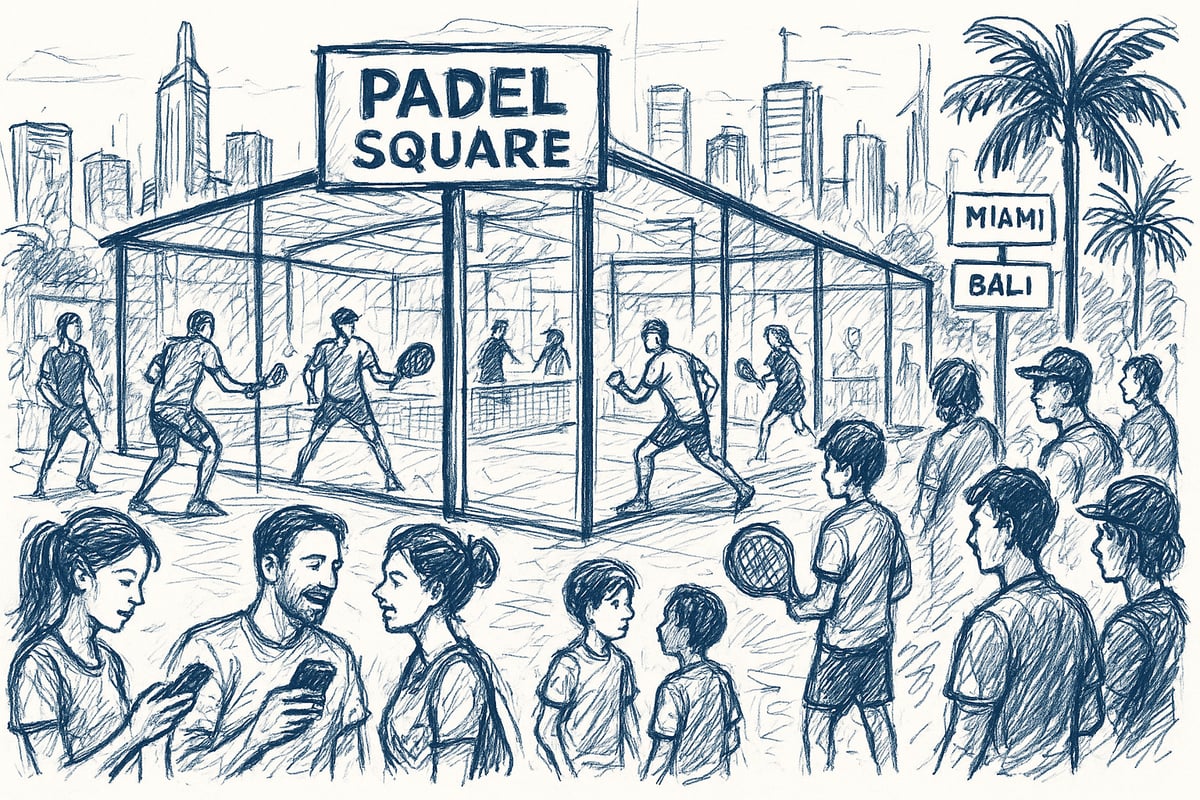
Padel square started as a backyard game in Mexico, but Spain took it to the next level. Now, it’s everywhere—Europe, the US, Italy, even Bali. The growth is wild. New clubs are opening in places you’d never expect. Cleveland is getting its first dedicated padel square in 2026, and Paris, Milan, and Bali are seeing fresh courts every month.
Why is padel square blowing up?
It’s simple to learn, even if you’re new.
Fast, non-stop rallies keep everyone moving.
The social side is unbeatable—you meet people every time you play.
Social media and game apps fuel the hype. You can find a match, brag about a rally, or organize a pickup in seconds. Local pickup culture mixes with global trends, making it easy to jump in wherever you travel. For a deeper dive into the numbers and expansion, check the Playtomic Global Padel Report 2025 for the latest club stats.
What Makes a Padel Square Different?
Padel square courts are designed for action. Glass walls let you play off rebounds. Turf keeps your moves quick. The compact size means more rallies, less downtime. Unlike tennis, you only need four players for a real game, so it’s easy to set up matches on the fly.
Here’s why padel square stands out:
Courts fit into city spaces—think rooftop in Milan or a tucked-away spot in Paris.
Pickup formats rule: show up, get in a game, rotate fast.
Evening drop-in sessions in Miami and Paris draw everyone from beginners to seasoned players.
You get quick games, flexible formats, and a community vibe that keeps you coming back. That’s what makes padel square a game-changer in every city.
Essential Rules of Padel Square in 2026
Playing padel square in 2026 is more than just hitting a ball. The game has its own street rules, gear upgrades, and a vibe that keeps things moving. Here’s what you need to know before you step on court.
Court Layout and Equipment
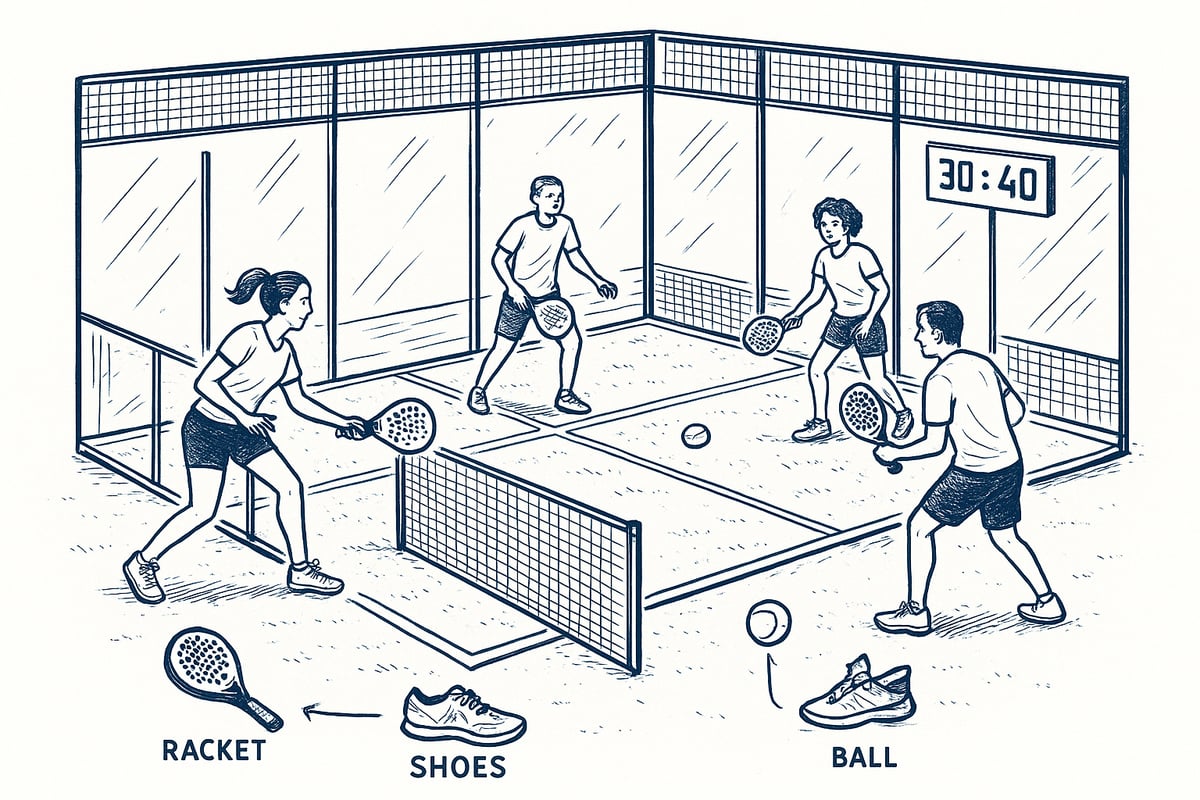
Padel square courts are compact, fast, and social. Standard size in 2026 is 20m x 10m, boxed in by glass and metal mesh. That means you play off the walls, not just the ground. Turf surfaces keep knees happy and rallies quick.
Gear matters. For padel square, you need:
A padel racket (solid, perforated, no strings)
Non-marking padel shoes for grip
Padel balls (slightly less pressure than tennis balls)
Big difference: In the US, you might spot thicker rackets and harder balls, while in Europe, softer equipment is the norm. France and Italy push eco-friendly gear, with recycled turf and reusable bottles popping up everywhere.
Real example: Cleveland’s new courts use blue turf and extra glass for nighttime drop-ins. In Bali, you’ll see open-air courts with sand-infill turf for grip in humid weather.
Padel square is all about easy access. You can show up, borrow gear, and jump into a pickup game. That’s why the format is blowing up in urban spots.
Game Format and Scoring
Padel square matches are usually doubles, just like traditional padel. Scoring goes 15, 30, 40, game. You serve underhand, two tries per point. The ball must bounce in the service box, then you can use the walls to keep the rally alive.
For 2026, clubs are remixing the rules to keep games moving:
Pickup games often play to four or six games per set, not full sets
Fast-serve formats in Italy and Bali speed up the action—no long pauses, just quick rotation
If you’re coming from tennis or squash, get ready for wall bounces and tighter space. The game rewards quick hands and smart positioning. Parisian clubs use digital scoreboards so everyone stays on track, even if you’re swapping in new players mid-game.
Padel square makes it easy to adapt, whether you’re a newbie or a veteran. The key is to play with the flow and respect the local style.
Key Fouls and Fair Play
The most common padel square fouls:
Double bounces before return
Hitting the ball out or into the net
Foot faults on serve (both feet behind the line)
Confusion with wall rebounds (the ball must bounce first before hitting the side or back wall)
New for 2026: Clubs push fair play hard, especially in mixed-level games. That means calling your own faults, rotating teams, and making sure everyone gets a fair shot. If you’re organizing, use skill-matching tools like How Poteau Matches Skill Levels to keep games competitive but friendly.
Disputes? Keep it chill. In Miami or Milan, a quick replay or drop-ball solves most issues. The padel square vibe is about building community, not just winning points.
Remember, the goal is a great game and a better crew. Keep it fair, play smart, and padel square will keep you coming back.
Top Tips to Win and Have More Fun
Ready to level up your padel square game? Here’s the real talk from players who set up, play, and win—whether it’s Paris, Miami, LA, or Bali. These tips work for every padel square, every session, every skill level.
Skill-Building for Every Level
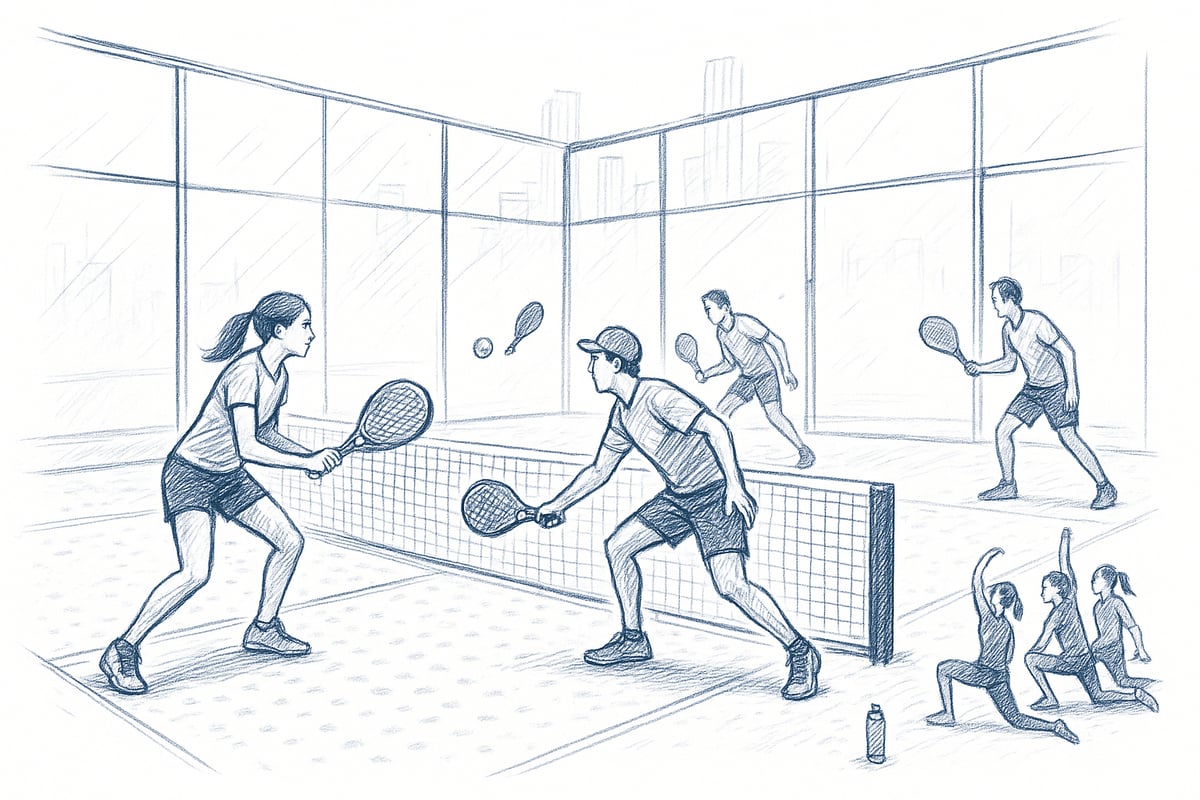
Padel square rewards quick feet and fast hands. Warm up hard—solo or with friends. Try these:
Shadow swing your racket for 2 minutes.
Rally off the glass wall to sharpen reflexes.
Practice drop shots and lobs, switching sides.
Want to get sharper, faster? Join group drills like those at Paris Padel Square Courts, where players rotate through volley, lob, and wall shot stations. In these sessions, you’ll see how padel square training turns good players into great teammates. Mix up your drills and you’ll notice your reactions and confidence skyrocket.
Teamwork and Communication
Padel square is about connection. Doubles means constant chatter. Always call your shots—“mine” or “yours”—before the bounce. Stay aware of your position. If you’re both at the net, talk about who covers lobs or walls.
Matching up with players at your level is key. In LA, successful pickup games start with a quick skill check and honest talk—no one wants a mismatched game. Keep it friendly, rotate partners, and you’ll build chemistry fast. The vibe on the padel square stays positive when everyone knows their role.
Game Management and Organization
Organizing padel square games is simple when you know the drill. Start by splitting teams based on skill—ask who’s played before, who’s new. For big groups, rotate players every 15 minutes. Use a whiteboard or app to track scores and next matches.
Try a round robin like they do in Bali: four teams, everyone plays everyone. This keeps games fresh, and everyone gets court time. Fast setup and clear rotation keep the padel square moving and stress-free.
Staying Injury-Free and Energized
Every padel square session should start with stretches: hips, shoulders, and calves. Cool down with light jogging or wall stretches after games. Hydrate—sip water between sets, especially if you’re stacking games.
If you’re playing back-to-back, fuel up with fruit or nuts. Watch for signs of burnout: heavy legs, foggy focus. In Bali, players swap in and out to keep energy high and injuries low. Listen to your body and you’ll keep coming back strong.
How to Find and Organize the Best Padel Square Games
Ready to play more padel square? Finding the right game is easier than ever, and you do not need to settle for mismatched skill levels or empty courts. Here is how you can always get in on the action, wherever you are.
Using Apps and Social Platforms
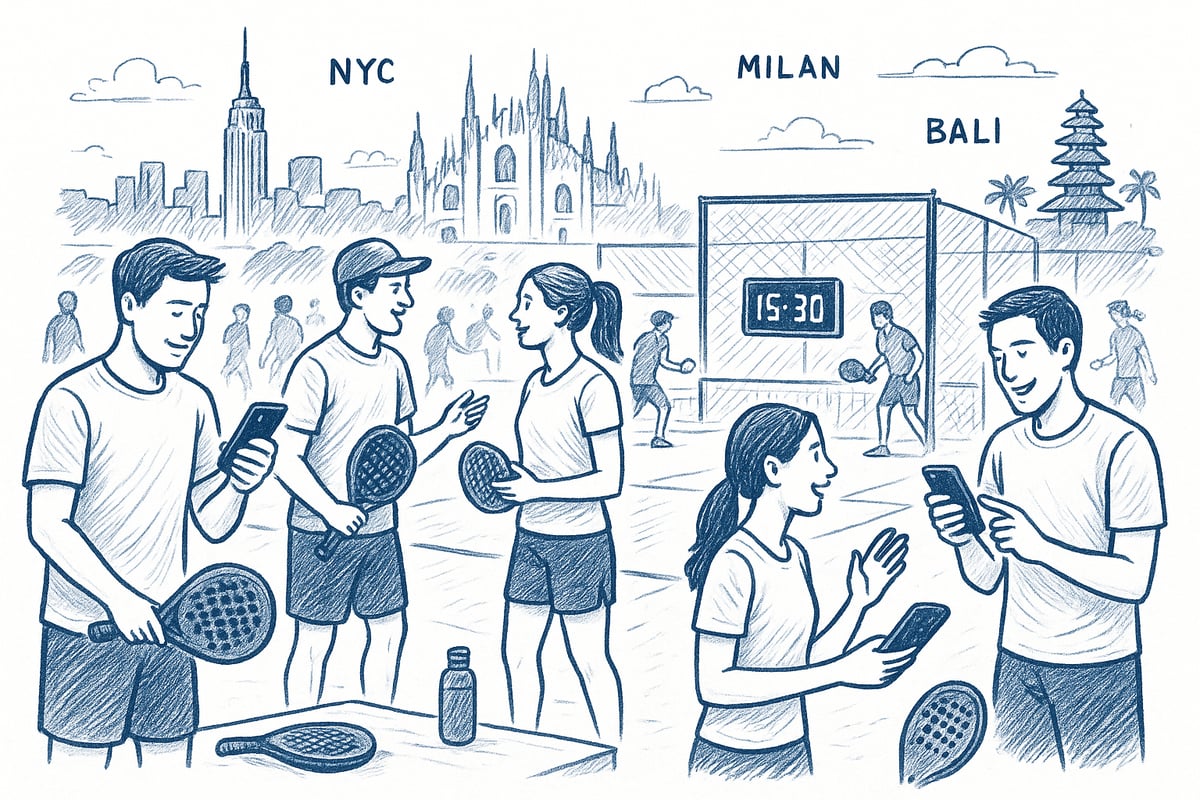
The secret to never missing a padel square session? Go digital. Apps let you join games in seconds. You can set alerts for your favorite times and locations, whether you are in NYC, Milan, or Bali. It is like having a personal game concierge.
Use dedicated padel apps to browse open games and RSVP fast.
Join city-specific WhatsApp or Facebook groups for last-minute invites.
Real example: In Miami, players use Find Padel Games in Miami to jump into evening sessions, meeting new partners every week.
Stay active on these platforms, and you will never be stuck on the sidelines. The padel square scene is all about flexibility and speed.
Building Your Crew and Leveling Up
Want better games? Build your network. A solid crew means you always have a squad for doubles or can fill a last-minute spot. Finding players at your level keeps matches fun and competitive.
Invite friends and ask them to bring someone new.
Use app filters to match by skill for balanced padel square games.
Compare: WhatsApp groups are quick for invites, but dedicated apps let you track stats and find players who match your style.
In Italy and France, players organize weekly round robins, mixing regulars with new faces. Keep the padel square community open, and your network—and your skills—will grow fast.
Padel Square Trends to Watch in 2026
Padel square is moving fast. If you want to play smarter, spot what’s next, and get the most out of every session, you need to know the trends shaping 2026. Here’s what’s changing on the court, in your crew, and across clubs worldwide.
Tech and Innovation on the Court
Padel square courts are getting a tech upgrade. Expect smart rackets tracking every shot, AI coaching apps giving real-time feedback, and digital scoreboards that auto-update after every rally. Clubs in Spain and France are already testing booking systems that use facial recognition, so you never lose your spot.
Smart rackets: analyze power, spin, and accuracy
AI coaching: get instant tips on your phone, right after a match
Digital boards: see scores and stats as you play
Booking a padel square is easier than ever. Apps let you reserve, pay, and join matches in seconds. According to the FIP World Padel Report 2025, tech is helping clubs handle booming demand and keep games moving.
Social and Community Shifts
The community vibe around padel square is changing. Mixed-gender leagues, family-friendly nights, and after-work socials are now the norm in cities like Milan and Paris. Players want more than just a game—they want a crew, a routine, and a reason to come back.
Evening socials: drop in, play, meet new people
Family leagues: parents and kids on court together
Mixed doubles: more inclusive, more fun
Urban clubs are running tournaments for all levels, so anyone can jump in. With Padel's Global Boom: A Club Opens Every 2.5 Hours, finding a padel square game that fits your style is easier than ever.
Sustainability and Facility Design
Eco-friendly padel square courts are popping up everywhere. New clubs use recycled turf, LED court lights, and water-saving features to stay green. In Milan and NYC, you’ll find rooftop padel square courts with views of the skyline.
Recycled turf: softer on joints and the planet
LED lighting: play longer, use less energy
Rooftop courts: urban, fresh, and Instagram-ready
Players are asking for sustainable gear and facilities, and clubs are listening. The padel square world is getting greener every season.
Competitive Scene and Pro Pathways
Padel square is no longer just for casual games. Local tournaments, amateur leagues, and pro events are everywhere. In the US and Europe, you can go from beginner to competitor in a single season.
Weekly round robins: test your skills, meet new rivals
Amateur leagues: structured play, real rankings
Pro events: watch or play, your choice
If you’re dreaming bigger, check out local qualifying rounds. Many padel square clubs now offer training for players aiming at pro circuits. The pathway from pickup to pro is clearer than ever, and the community is ready to cheer you on.
Building a Winning Padel Square Routine
Ready to turn your padel square sessions into a routine that actually delivers? Here’s how to lock in progress, keep things fresh, and build a community where everyone levels up together. Let’s break it down, step by step.
Setting Goals and Tracking Progress
Consistency beats luck every time. Set a weekly or monthly goal for padel square, like playing five games or mastering a new wall shot. Use a notes app, padel journal, or group chat to track results and keep yourself honest.
In Paris, players snap post-game photos of the scoreboard and share quick wins or lessons learned in their crew’s chat. Seeing progress, even small, keeps everyone motivated.
Try tracking stats like serves made, volleys won, or rallies held. You’ll know what to work on next time you hit the padel square. Make it a habit, and improvement becomes automatic.
Staying Motivated and Avoiding Burnout
Mix things up to keep your padel square routine fun. Switch between singles, doubles, and mini-tournaments. Invite new faces or set up themed nights, like “lefties only” or “lob fest.”
Players in Bali host weekly color-coded games—wear red for advanced, blue for beginners. This keeps things light and helps everyone find their level.
Balance is key. Slot in rest days or cross-train with another sport. Avoid the trap of too many back-to-back games, and you’ll stay hungry for more padel square action.
Growing Your Network and Level
The best padel square games come from a deep bench. Say yes to invites, join local leagues, or hit up meetup groups. In LA and Milan, WhatsApp groups and dedicated apps make it easy to find matches and connect with players at your skill level.
As padel square grows in places like the US, community gets stronger—Padel's Expansion in the United States shows how new courts and leagues are popping up everywhere. More players means more styles, more learning, and way more fun.
Swap numbers after a good game. The more people you know, the easier it is to organize epic sessions.
Giving Back: Coaching and Mentoring
Every padel square needs leaders. If you’ve learned a few tricks, share them. Organize beginner clinics, offer to coach a friend, or host open play sessions.
Cleveland’s new padel square runs volunteer intro nights. Experienced players split into pairs with newcomers, walk through basics, and then play short games. It builds trust, grows the community, and keeps everyone coming back.
Mentoring is how you turn a group of strangers into a real crew. Give back, and you’ll find your own skills sharpen up too.
Ready to put all these padel square tips into action Wherever you are—France, the US, Bali, or just your local spot—there’s a game waiting for you. You don’t need to sit on the sidelines or text five different group chats just to get a match going. With Poteau, you can jump right in, match up with players at your level, and keep your padel routine fresh every week. Why wait to try that new serve or meet your next padel crew If you’re itching to play after reading this guide, just Find a game near you and hit the court tonight.