Télécharger Poteau
Soccer Play Game Guide for Beginners: Master the Basics 2025
Ready to kick off your soccer journey but don’t know where to start? You’re in the right spot.
Soccer is the world’s most loved sport, played by millions in every corner. This guide breaks down everything you need to know to join your first soccer play game with confidence.
We’ll cover the basics: rules, player positions, must-have skills, what gear you really need, how to find games, and tips to level up fast.
Soccer is for everyone. With the right info and a little practice, you’ll go from sideline to starting lineup in no time. Let’s get you playing today!
Understanding Soccer: The Game and Its Rules
Soccer is the world’s number one sport, played everywhere from city parks to packed stadiums. It started in England, but quickly spread across continents. Over 250 million players lace up every year, making the soccer play game a truly global language. Whether you’re in Europe, Asia, the Americas, or Africa, you’ll find people obsessed with the thrill of the match.
What Is Soccer? Key Facts and Global Popularity
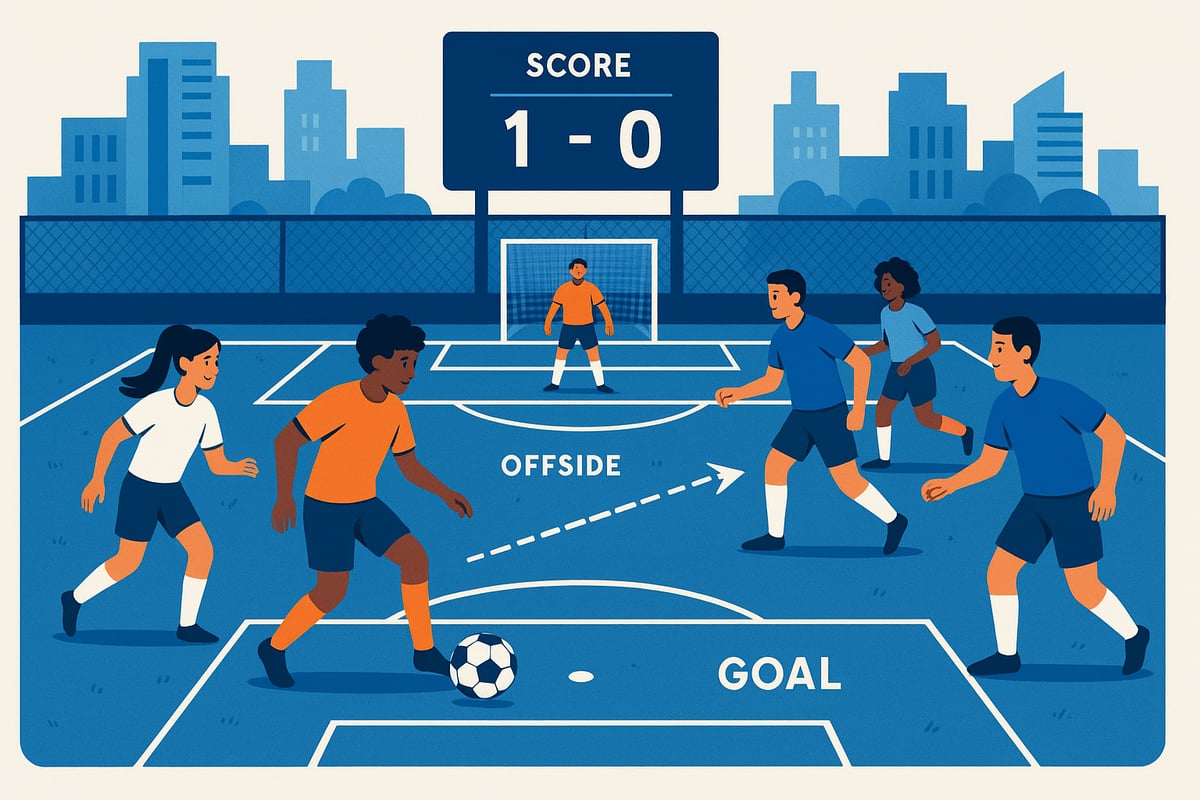
The soccer play game is simple: two teams, one ball, and a goal at each end. You use your feet, head, or body to move the ball, but never your hands (unless you’re the goalie). The game is loved for its simplicity, speed, and excitement. From the World Cup to local pickup games, soccer brings people together to compete, connect, and celebrate.
Basic Rules Every Beginner Should Know
Here’s what you need to know to jump into a soccer play game:
Score by getting the ball into the other team’s goal.
Games usually last 90 minutes, split in half.
No hands allowed, except for throw-ins or goalkeepers.
Stay inside the field’s boundaries.
Offside can be tricky: you can’t get a pass if you’re closer to the opponent’s goal than the ball and last defender. For a clear breakdown, check out Understanding the soccer offside rule.
Play fair: no tripping, pushing, or rough tackles.
Knowing these basics keeps you in the flow and builds respect on the pitch.
How a Soccer Game Flows: From Kickoff to Final Whistle
A soccer play game starts with a kickoff at the center circle. Each half runs for 45 minutes, with a short break in between. If the ball goes out, play restarts with a throw-in, goal kick, or corner kick. Referees add “stoppage time” for injuries or delays. Teams can swap out players using substitutions. Fouls get punished with free kicks or penalty kicks. Yellow and red cards signal warnings or send-offs.
Scoring and Winning: How Goals Work
To score in a soccer play game, the entire ball must cross the goal line between the posts. Goals come from shots, headers, or rebounds. Common scoring scenarios include breakaways, set pieces, and crosses into the box. The team with the most goals at the final whistle wins. If it’s tied, some games go to extra time or penalty shootouts. Simple, but every goal can change the entire match.
Key Game Variations for Beginners
Not every soccer play game is 11-on-11. Try these versions:
5-a-side: Smaller field, faster pace, fewer players.
Futsal: Played indoors on a hard court, sharpens close control.
Pickup: Informal games, flexible rules, great for learning.
Small-sided formats help beginners get more touches, make decisions faster, and build confidence before jumping into bigger matches.
Common Mistakes Beginners Make
Starting out in a soccer play game? Watch for these pitfalls:
Accidentally using hands when under pressure.
Getting caught offside by not watching defenders.
Tackling too hard or too late and giving away fouls.
Tips: Always use your feet, check your position before runs, and focus on timing your tackles. Mistakes happen, but learning from them makes you a smarter player.
Why Knowing the Rules Matters
Understanding the rules of the soccer play game helps you play with confidence and avoid embarrassing errors. It shows respect for teammates, refs, and opponents. For example, knowing how offside works keeps you from stopping promising attacks. When everyone knows the rules, games run smoother, arguments drop, and you earn respect on and off the field.
Essential Soccer Positions and Player Roles
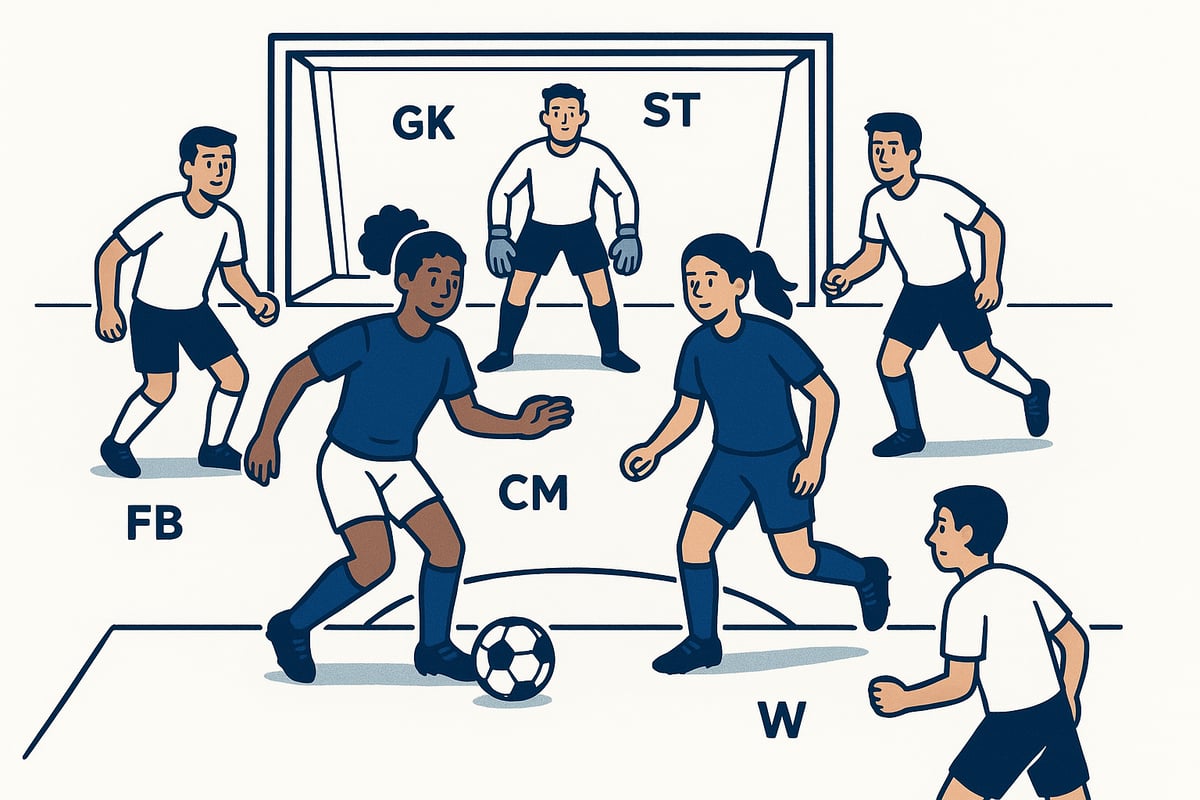
Want to level up your soccer play game? Knowing where everyone fits on the field is your secret weapon. Each position has its own vibe, skills, and ways to shine. Let’s break it down so you can pick your spot and play with confidence.
Overview of Team Structure
Every soccer play game starts with a formation. The most common is 4-4-2: four defenders, four midfielders, two forwards. Another favorite is 4-3-3, with three attackers up front.
A full team has 11 players, but you’ll see smaller squads in pickup or futsal. Formations set the tone, but they’re flexible. Players might shift based on the game’s flow.
Trying out different formations helps you understand how the whole soccer play game works. It’s like solving a puzzle with your friends.
The Goalkeeper: Last Line of Defense
The goalkeeper is the only player who can use their hands in the box. Their job is to block shots, organize the defense, and start attacks with smart throws or kicks.
Great keepers react fast, read the game, and talk nonstop. Think of Manuel Neuer or Hope Solo—always alert, commanding their area.
If you want to dive deeper into what makes a top keeper, check out Goalkeeper responsibilities and skills for a full rundown. The right keeper can change the whole soccer play game.
Defenders: Protecting the Goal
Defenders are the backbone of any soccer play game. Center backs stay central, stopping strikers and clearing crosses. Fullbacks patrol the sides, blocking wingers and joining attacks.
Want to play defense? Focus on positioning, strong tackles, and reading passes. Watch how top defenders like Virgil van Dijk stay cool under pressure.
In small-sided games, defenders need to be quick and help with attacks. You’ll get plenty of action and learn what makes a team tough to beat.
Midfielders: The Engine Room
Midfielders run the show. Defensive mids shield the backline. Central mids link defense and attack. Attacking mids create chances and take shots.
Players like Luka Modric or Rose Lavelle control the tempo, always moving and passing. If you like being everywhere at once, midfield is for you.
In any soccer play game, midfielders need vision, stamina, and sharp passing. Try different midfield roles to see what fits your style.
Forwards: Scoring Goals and Creating Chances
Forwards are the finishers in any soccer play game. Strikers stay central, looking to score. Wingers attack from the sides, dribbling and crossing.
If you love chasing goals, play up top. Stay on your toes, make smart runs, and don’t be afraid to shoot. Watch players like Erling Haaland or Sophia Smith—they’re always dangerous near the goal.
In beginner games, forwards should look for space and work with teammates. It’s not just about scoring—it’s about making the attack click.
How to Pick Your Position as a Beginner
Not sure where to start in your soccer play game? Think about your strengths. Fast runners might try wing or fullback. If you’ve got quick reflexes, try goalkeeper.
Experiment in pickup games. Switch roles and see what feels natural. Ask teammates for feedback—they’ll spot things you might miss.
Most important? Have fun. The best way to find your spot is to play often and stay curious. Every position has a role in the team’s story.
Must-Know Soccer Skills for Beginners
Want to stand out in any soccer play game? Get the basics right, and you’ll boost your confidence fast. Here’s how to build the skills that make you a better teammate and a more dangerous player, whether you’re hitting the park or joining your first organized match.
Dribbling and Ball Control Basics
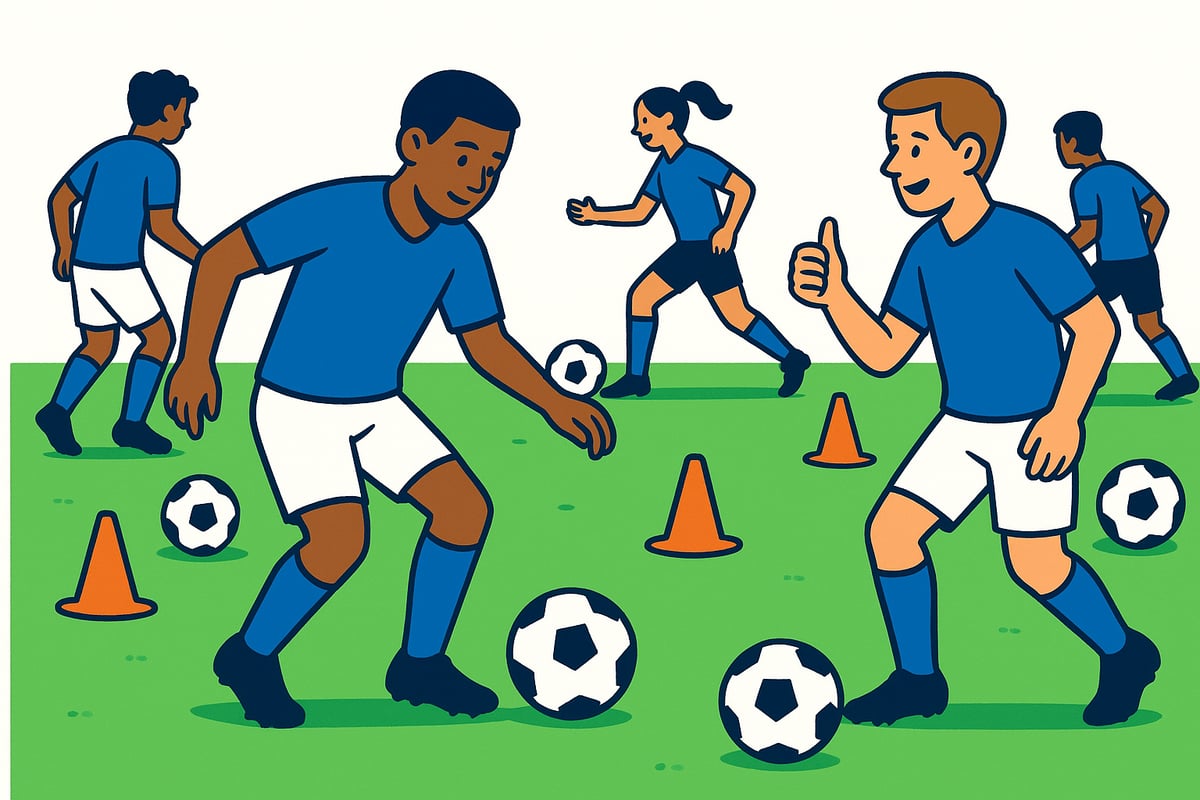
Dribbling is your ticket to freedom in any soccer play game. The goal is to move the ball smoothly and keep it close, even when defenders close in.
Try these simple drills:
Use both feet to tap the ball side to side.
Set up cones and weave through them at a walking pace.
Practice turning quickly with the inside and outside of your foot.
If you can dribble with control, you’ll dodge tackles and create space for passes or shots. Keep your head up, so you don’t miss open teammates.
Passing: Short, Long, and One-Touch
Passing is how you link up with teammates and keep the soccer play game flowing. There are three main types:
Short passes (inside of the foot) for quick give-and-go plays.
Long passes (laces or driven) to switch the field or start a counterattack.
One-touch passes to speed up play and catch defenders off guard.
Work with a friend or bounce the ball off a wall. Focus on timing and accuracy. Good passing sets up goals and makes you a player everyone wants on their team.
Shooting: Power vs. Placement
Scoring in a soccer play game means knowing when to blast the ball or place it with finesse. For power, strike through the center with your laces and follow through. For placement, use the inside of your foot and aim for the corners.
Common mistakes:
Leaning back (sends the ball over the bar).
Rushing the shot without looking at the target.
Practice shooting from different angles and distances. Celebrate every improvement, even if you’re just hitting the net more often.
Defending: Tackling and Positioning
Good defending in a soccer play game is about smart positioning, not just sliding in for tackles. Stay between your opponent and the goal. Watch their hips, not the ball, to predict moves.
Tackling tips:
Use your body to block, not just your feet.
Stay on your toes, ready to pivot or chase.
Avoid fouls by timing your tackle for when the attacker takes a heavy touch. Clean defense keeps your team out of trouble and builds trust with teammates.
First Touch: The Secret to Smooth Play
Your first touch in a soccer play game sets up everything—passes, shots, or dribbles. A soft, controlled touch lets you keep the ball close and make quick decisions.
Try these exercises:
Juggle the ball using both feet, thighs, and chest.
Pass against a wall and control the rebound in one motion.
A great first touch buys you time and keeps defenders guessing. It’s the difference between losing the ball and launching the next attack.
Fitness and Agility for Soccer
Every soccer play game tests your fitness. You’ll sprint, jog, and recover nonstop. Build stamina with interval runs and sprints. Improve agility with ladder drills and quick direction changes.
Before every game, warm up with light jogging and dynamic stretches. Afterward, cool down with slow jogging and static stretches. Staying fit keeps you sharp and injury-free, ready for every challenge.
Communication and Teamwork
Silent players get lost in a soccer play game. Use your voice to call for the ball, warn about defenders, or encourage teammates.
Simple phrases work best:
“Man on!” (someone is pressuring you)
“Switch!” (change the play to the other side)
“Time!” (you have space to control)
Good communication builds chemistry and makes every play smoother. The more you talk, the more you connect with your squad.
Applying Skills in Pickup and Practice Games
The best way to improve for any soccer play game is by playing real matches. Pickup games let you test your skills in a low-pressure setting. You’ll learn to read the game, try new moves, and handle real opponents.
Want to know why pickup is so effective? Check out the benefits of pickup soccer for new players. It’s all about growing confidence and learning what works.
Every session, pick one skill to focus on—maybe passing one day or first touch the next. Track your progress, and don’t be afraid to make mistakes. That’s how you level up, fast.
How to Join and Organize Soccer Games in 2025
Jumping into a soccer play game is easier than ever in 2025. Whether you’re new or looking to build your crew, there are more ways than ever to connect, play, and organize. Let’s break down the best ways to find your next game, meet new teammates, and keep the vibe fun and welcoming.
Finding Local Games: Parks, Clubs, and Online Communities
Looking for your first soccer play game? Start local. Parks and rec centers are classic spots, with lots of games open to anyone. Many cities have clubs that welcome beginners.
Online, it’s all about Meetup, Facebook groups, and community forums. Just search “pickup soccer” plus your city. Most groups post game times, locations, and skill levels, so you can jump right in.
Here’s a quick comparison table to help you find the right spot:
Where to Look | Pros | How to Join |
|---|---|---|
Parks | Free, casual, open to all | Show up, ask to join |
Local Clubs | Organized, regular, social | Register, pay small fee |
Online Communities | Up-to-date, diverse, flexible | RSVP or message organizer |
Try a few and see which soccer play game fits your style.
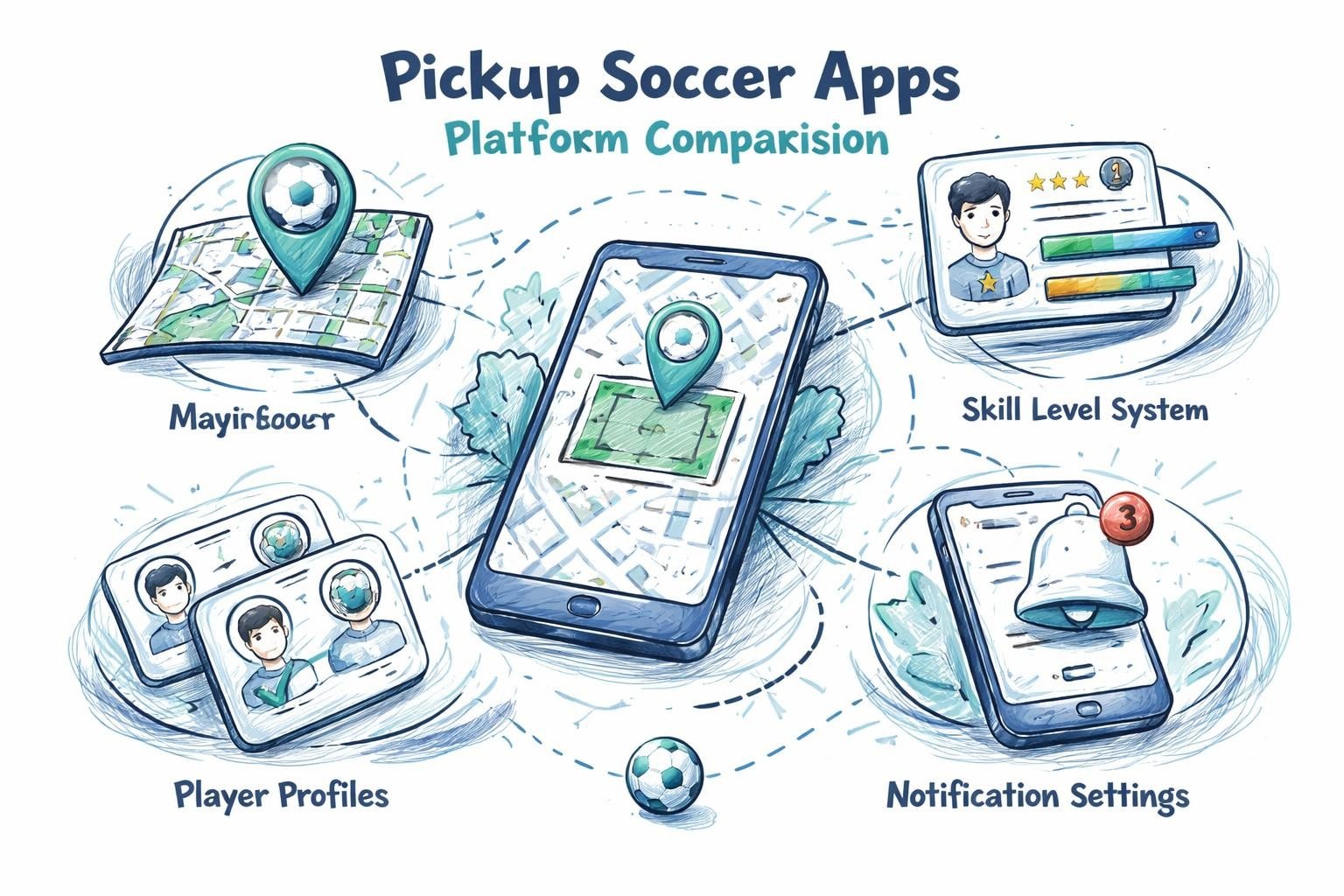
How to Use Poteau to Find Pickup Soccer Games
Ready to level up your soccer play game search? Poteau is a game-changer. This app connects players to pickup matches in real time.
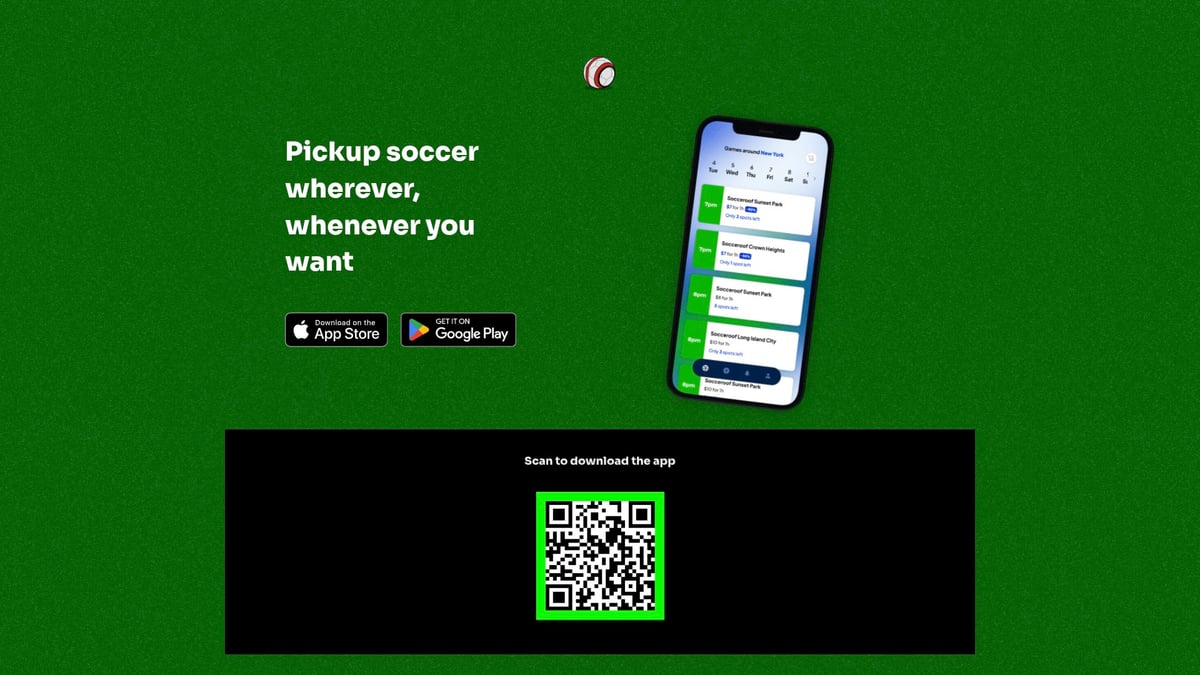
You can set alerts for games near you, invite friends, or join teams with just a tap. Organizers can even use Poteau Max to fill empty fields and keep the soccer play game scene buzzing in big cities.
Everything is flexible. Whether you want to jump into a match or host your own, Poteau makes soccer play game access simple and social.
What to Expect at Your First Game
Walking into your first soccer play game? Expect lots of different formats, from 5-a-side to full 11-a-side. Most games are chill, but some have unwritten rules like “winner stays” or rotating teams.
Introduce yourself, ask which side needs a player, and listen for quick tips on house rules. Most folks welcome new faces—just bring a positive attitude and be ready to run.
You’ll learn fast by watching and asking questions. Every soccer play game has its own vibe, so relax and enjoy it.
Tips for Organizing Your Own Game
Want to run your own soccer play game? It’s all about planning and communication. Pick a field that’s easy to get to, post the time and rules, and invite people with similar skill levels.
Use group chats or apps to confirm numbers.
Bring a spare ball and pinnies for teams.
Start on time and keep games fair by rotating players.
Clear rules and good vibes make every soccer play game better.
Building Your Soccer Network
A solid soccer play game crew makes every match more fun. Chat with players after games, swap numbers, and invite people to future matches.
Regulars often form group chats or WhatsApp groups to keep everyone in the loop. The more you play, the bigger your network gets—and the more options you’ll have when you want to join a soccer play game.
Staying Safe and Respectful on the Field
Safety is key in any soccer play game. Warm up, wear shin guards, and bring water. Respect others—no reckless tackles or bad tempers.
If there’s a disagreement, talk it out. Most games are self-refereed, so sportsmanship keeps the soccer play game running smoothly. Always check the field for hazards before kick-off.
Overcoming Common Newcomer Challenges
First few soccer play games can be nerve-wracking. Maybe you’re worried about mistakes or not knowing anyone. That’s normal.
Remember, everyone started as a beginner. Ask questions, celebrate small wins, and don’t be afraid to laugh off a missed shot. The more you show up, the easier it gets.
Every soccer play game is a chance to learn and connect. Stick with it, and you’ll soon feel right at home.
Gear Up: Essential Soccer Equipment for Beginners
Getting your soccer play game started is all about having the right gear. You do not need to break the bank, but a few essentials will make every match way more fun and safe. Let us break it down so you can step onto the field with total confidence.
What You Need to Start Playing
For any soccer play game, start with the basics. Grab a pair of soccer shoes—cleats for grass, turf shoes for artificial fields. Shin guards are a must, not just for league games but even friendly pickup. They protect your legs from accidental kicks.
Wear comfy athletic clothes that let you move. If you are joining a league, check if they require matching jerseys. For the ball, go with size 5 if you are over 12, size 4 for kids 8-12, and size 3 for younger players. Pickup games might be flexible, but bringing your own ball is always a win.
Having your own gear means you are always ready to jump into a soccer play game, no matter where you are.
How to Choose the Right Soccer Ball
Picking the right ball makes a difference in every soccer play game. Size matters: size 5 for adults, size 4 for youth, size 3 for kids. Check the material—PVC balls are tough and good for outdoor play, while PU balls feel softer and are great for indoor or futsal.
Keep your ball properly inflated. Under-inflated balls mess up your touch, while over-inflation can hurt when you kick. Popular beginner brands include Adidas, Nike, and Select. Always look for a ball that matches the surface you play on.
A good ball helps you get the most out of every soccer play game, from drills at home to pickup with friends.
Clothing and Protective Gear
For every soccer play game, shin guards are non-negotiable. They slide under your socks and shield your shins from wild tackles. Choose ones that fit snugly and do not shift when you run.
Dress for the weather. In summer, wear moisture-wicking shirts and shorts. For cold days, layer up with thermal tops and gloves. Indoor soccer? Go for lighter gear but do not skip protection.
Feeling comfortable means you can focus on your soccer play game, not your outfit.
Extras That Make a Difference
Sometimes it is the little things that level up your soccer play game. Always pack a water bottle—hydration is key, especially on hot days. Thick soccer socks help prevent blisters and hold shin guards in place.
A basic first aid kit with bandages, tape, and ice packs is smart to have in your bag. Optional extras like goalie gloves or compression sleeves are great if you are trying out those positions.
Having these extras on hand means you are ready for anything during your soccer play game.
Budget-Friendly Tips for New Players
You do not need to spend big to join a soccer play game. Check out local sports shops for sales or hit up secondhand stores for gently used gear. Many clubs or leagues have gear-sharing programs, so ask around before you buy.
Borrow equipment from friends for your first soccer play game. Once you know what you like, invest in your own. Prioritize shoes and shin guards—those matter most.
Being smart about gear lets you focus on the fun part: playing the soccer play game.
Maintaining and Caring for Your Equipment
Take care of your gear so it lasts all season. After every soccer play game, knock mud off your shoes and let them air dry. Wipe down shin guards and wash your socks and jerseys after each use.
Store your ball in a cool, dry spot and check the pressure weekly. Clean your gear with mild soap and water—no harsh chemicals. Keeping your equipment in top shape means you are always set for the next soccer play game.
Fast-Track Your Improvement: Practice and Progress Tips
Getting better at soccer play game is all about smart habits, not just hard work. Start simple, focus on progress, and watch your skills take off. Here’s how to build confidence, track your growth, and have more fun every time you hit the field.
Setting Realistic Goals as a Beginner
Forget trying to play like a pro overnight. Set goals you can actually hit. For your first soccer play game, aim to dribble past one defender or make three clean passes. Write down your targets in a notebook or on your phone.
Make goals specific (like “score once in pickup this week”)
Track your progress after each session
Celebrate small wins, like a good tackle or smart pass
This keeps you focused and pumped, even when progress feels slow.
Building a Simple Practice Routine
You do not need fancy equipment to level up your soccer play game. Try this quick routine:
Ten minutes juggling for ball control
Five minutes of wall passes for accuracy
Quick sprints between cones for speed
Mix in rest days to avoid burnout. Practice with friends to keep it fun. The secret is consistency, not perfection.
Watching and Learning from the Pros
Want to upgrade your soccer play game fast? Watch pro matches and focus on how players move, pass, and position themselves. Pause and replay key moments.
Notice how strikers get open for shots
Watch midfielders control the tempo
Copy defenders’ body shape during tackles
Jot down moves you want to try next time you play. You will pick up tricks just by paying close attention.
Joining Training Sessions and Clinics
Jump into local clinics or group sessions if you want structure in your soccer play game. Coaches break down skills and give instant feedback. You meet other beginners and get lots of touches on the ball.
Look for beginner-friendly classes at community centers
Ask about free trial sessions
Rotate between defense, midfield, and attack to find your best fit
This is the fastest way to get real, practical experience.
Staying Motivated and Having Fun
Hitting a wall? Switch up your routine. Play a different position, try street soccer, or challenge a friend to a skills contest. Remember: every soccer play game is a new chance to get better.
Mix solo and group workouts
Share your wins and struggles with teammates
Reward yourself for sticking with it
Keep the vibe positive, and you will stay hungry to improve.
Tracking Your Growth Over Time
Keep tabs on your journey. Use a simple table like this to log your soccer play game progress:
Date | Skill Focus | Win/Challenge |
|---|---|---|
2025-03-01 | Passing | 5/10 successful passes |
2025-03-03 | Dribbling | Beat 2 defenders |
Review your notes monthly to spot trends. Share milestones with friends or online groups for extra motivation.
You’ve got the basics down—rules, positions, gear, and all those game-day nerves. Now it’s time to turn that knowledge into action and actually get out there. The best way to level up fast is by playing real games with real people. Seriously, nothing beats the vibe of a pickup match—you’ll learn, make friends, and have fun, no matter your skill level. If you’re ready to find your first game and put what you’ve learned into practice, just tap here to find a game near you. See you on the field!