Télécharger Poteau
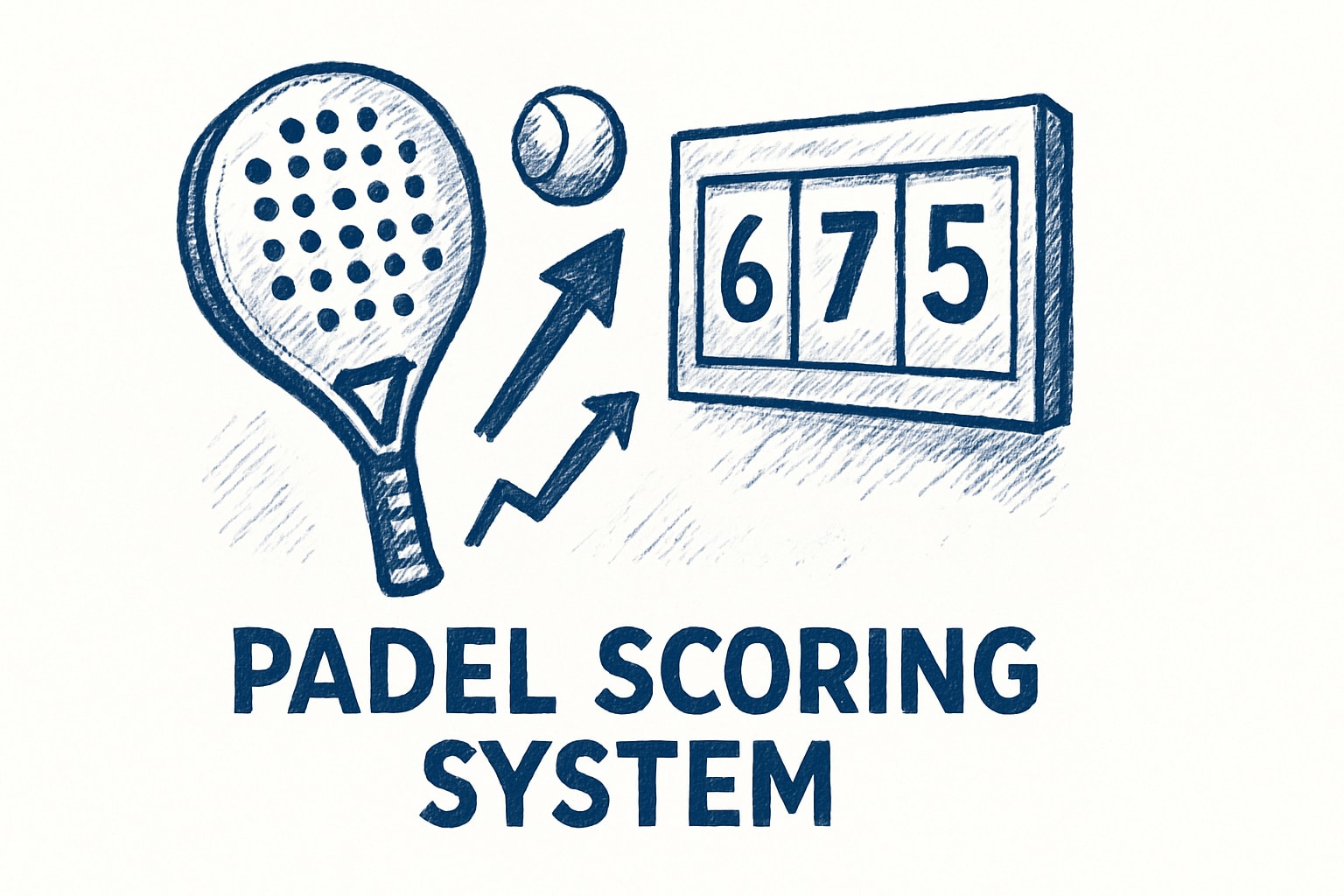
Padel Scoring System Guide: Your Essential Handbook 2026
Ever tried to keep track of padel points and felt lost? You’re not alone. Even regulars get tripped up by the padel scoring system—missing rules that can flip a match in seconds.
This guide is your shortcut. We’ll break down the padel scoring system for 2026, so every serve, rally, and set makes sense whether you’re in France, the US, Italy, or Bali.
Here’s what you’ll get:
Simple rules to follow every game
Pro tips for tie-breaks and doubles
Real-world fixes for common mistakes
Ways to keep every match moving and fun
Ready to play with confidence? Let’s make scoring the easiest part of your game.
Padel Scoring Basics: How Points, Games, and Sets Work
Confused about the padel scoring system? You’re not alone. Getting the basics right means less drama and smoother games, whether you’re in Paris or playing a pickup match in Rome.
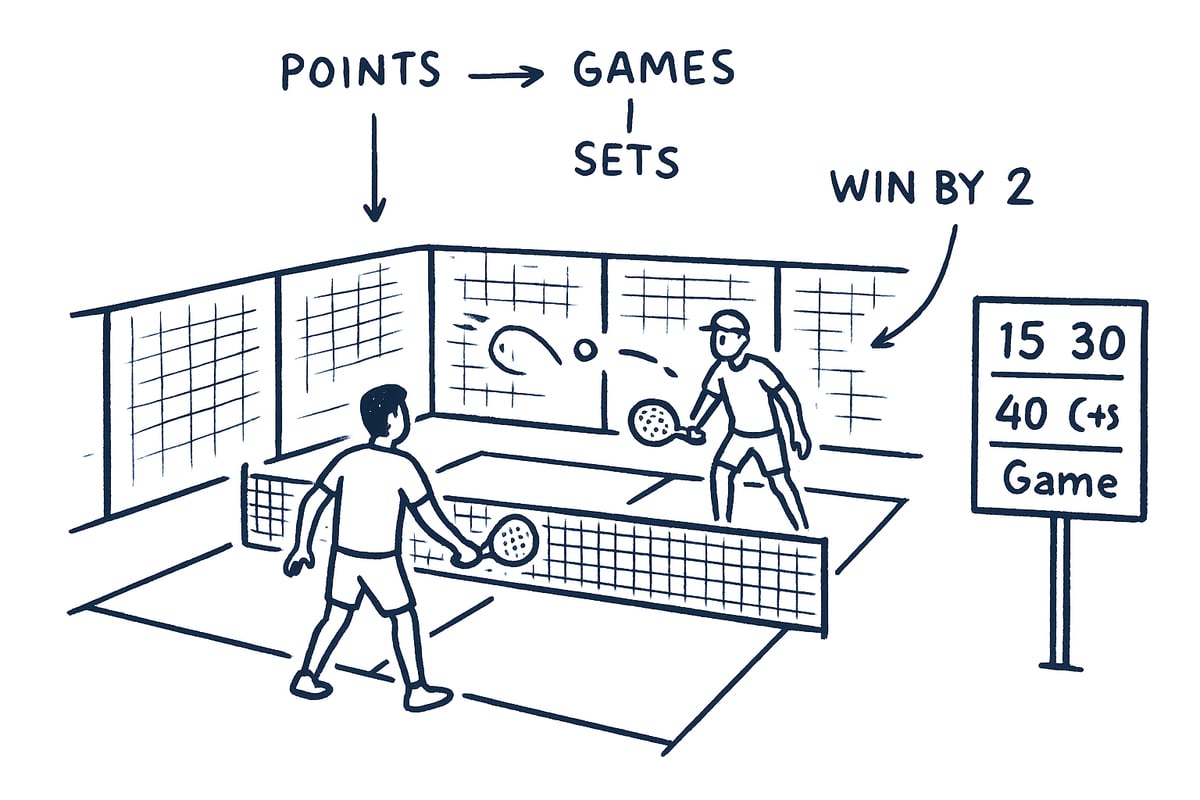
The Structure: Points, Games, Sets
Here’s how the padel scoring system breaks down:
Win a point by forcing an error, hitting a winner, or if your opponents fault on serve.
Each game is four points: 15, 30, 40, then game. You must win by two points.
To take a set, be the first to six games, again with a two-game margin (think 6-4 or 7-5).
Matches are usually best of three sets in tournaments.
Let’s compare:
Format | France Pickup | Italian Club |
|---|---|---|
Points/game | 15, 30, 40 | 15, 30, 40 |
Games/set | 6 (win by 2) | 6 (win by 2) |
Sets/match | 1 or 3 | 3 |
No matter where you play, the padel scoring system keeps things fair. But always confirm the format before you start.
Common mistakes:
Miscounting after a wild rally
Forgetting you need a two-point gap to win
Starting a match without clarifying the rules
Want more details? Check out this Padel Scoring System Explained guide for a full breakdown.
Unique Padel Rules vs. Tennis
Padel isn’t tennis, and the padel scoring system proves it.
No-ad scoring: Sometimes, games skip the endless advantage points. At deuce (40-40), it’s one last point for the game.
Golden point: Here’s the twist. When it’s deuce, whoever wins the next point takes the game. It keeps matches moving and adds pressure.
Serve rules: Always underhand, and you get two tries per point.
Why does this matter? The padel scoring system is built for quick play and more social vibes. Less waiting, more action. Players in France and Italy love it because you’re always in the game—no long breaks, no dragging sets.
Remember:
Always check if your club uses golden point or classic deuce.
Underhand serves only. No sneaky overheads.
Padel’s rules make matches faster and more fun for everyone.
Scoring in Doubles Matches
Doubles is the heart of padel, and the padel scoring system keeps pairs in sync.
Serve rotation is key: after each game, the serve switches teams, and within a team, players alternate serving games. Communication is everything. In the US, clubs announce the score before every serve to avoid confusion.
Tips for smooth doubles scoring:
Rotate servers in order: Player A, then B, then switch teams.
Call out the score before each point.
Use a phone app or a basic scoreboard to keep track.
After odd-numbered games, switch sides.
Real talk: In Bali, mixed-level games stay drama-free by having one player call out the score every time. In Italy, teams double-check the padel scoring system before pickup to keep it fair.
Quick tip—if you’re ever unsure, pause and agree on the score before the next point. It’s the easiest way to keep your match on track.
Tie-Breaks and Deciding Points: When the Game Gets Tight
Big points change the vibe fast. In the padel scoring system, tie-breaks and golden points decide who walks off smiling and who wants a rematch. Let's break down how these rules work, so you never get caught off guard when the pressure's on.
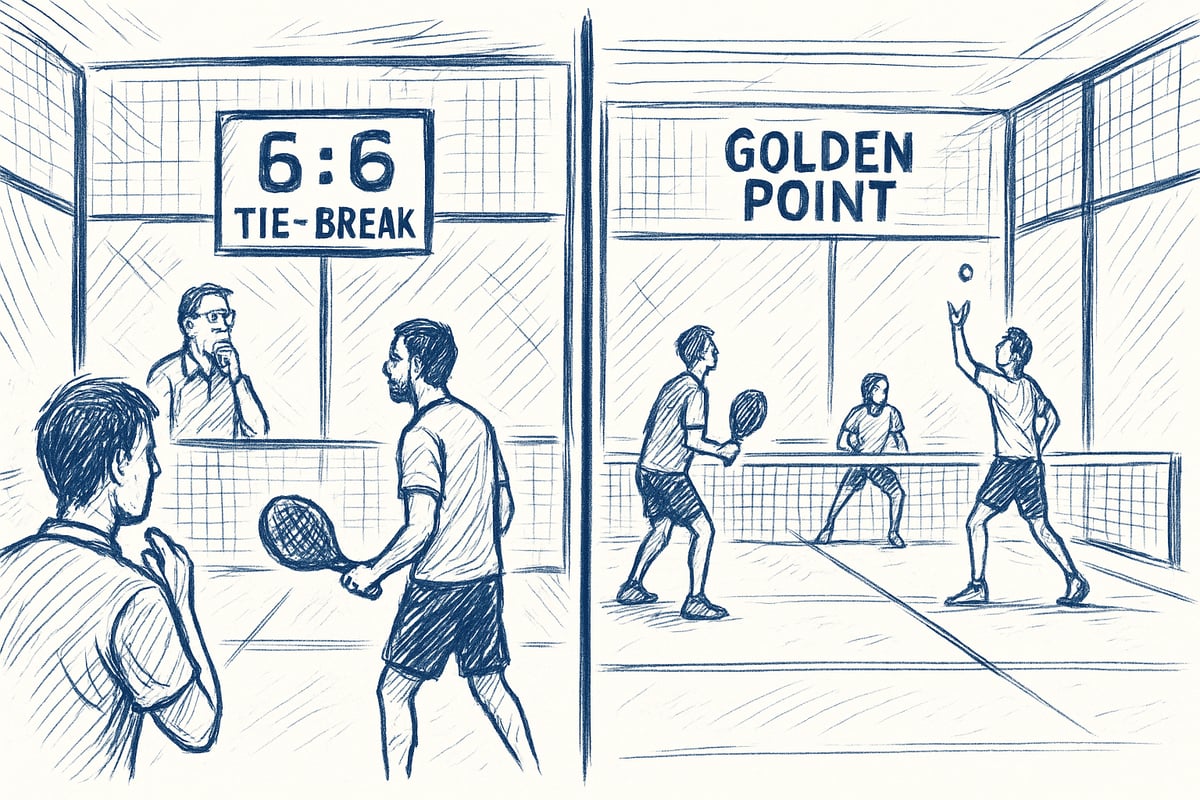
Tie-Break Game Rules
Tie-breaks kick in when both teams hit 6-6 in games. Instead of playing endless games, you switch to a race: first to 7 points, but you have to win by two. This keeps matches moving and adds real drama to the padel scoring system.
Here's how the rotation works:
The player due to serve next starts from the right side.
After the first serve, teams switch servers every two points.
Players swap sides every six points to keep things fair.
Imagine a Bali beach padel match. Score is 6-6, sun is setting, crowd's buzzing. Tie-break starts. One team gets hot, but the other claws back, forcing 8-8. Every point feels huge.
Tips to keep score tight:
Call out the score before every serve.
Use fingers or apps to track points.
Confirm with your partner after every side change.
The padel scoring system makes these moments electric, but only if everyone tracks the score right.
The Golden Point Explained
Golden point is padel's way of making deuce quick and intense. At 40-40, next point wins the game. No extra ads, just pure pressure. Most clubs and tournaments use this rule now, so get ready for big decisions.
Who receives? The receiving team picks which player will take the serve. It's strategy—do you trust your forehand killer or your steady backhand?
Smart teams:
Pick the player who handles pressure best.
Switch it up to keep opponents guessing.
Breathe, reset, go for high-percentage shots.
Want more on how this works in real matches? Check out this deep dive on Golden Point and Tie-Breaks in Padel. Real talk: the padel scoring system is built for moments like these.
Fast4 and Alternative Scoring Systems
Short on time but still want real competition? Fast4 is the hack. First to 4 games wins the set, with a tie-break at 3-3. It's the padel scoring system, but on fast forward.
Here's a quick table:
Format | Games to Win Set | Tie-Break Trigger | Match Length |
|---|---|---|---|
Standard | 6 | 6-6 | 45-90 min |
Fast4 | 4 | 3-3 | 20-45 min |
When to use Fast4:
Pickup games with lots of players waiting.
Lunchtime sessions.
Tournaments with tight schedules.
Pros:
More matches, less waiting.
Keeps energy high.
Cons:
Less time to recover from a slow start.
Upsets happen fast.
No matter the format, the padel scoring system is all about keeping games fair, fun, and easy to follow.
Common Scoring Scenarios and Mistakes to Avoid
Ever lost track of the score mid-game? You’re definitely not the only one. The padel scoring system is simple at first glance, but real games can get messy. Let’s break down the real-life situations where things go sideways and show you how to keep every point crystal clear.
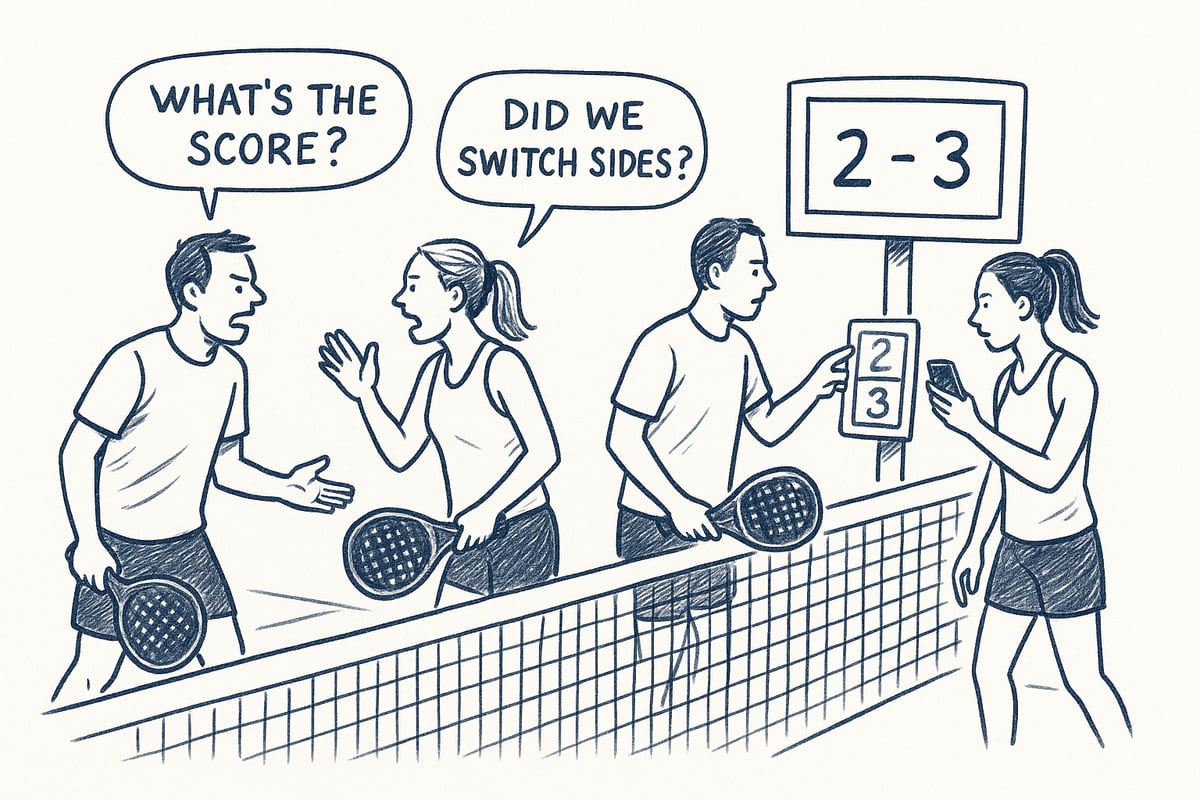
Typical Disputes on the Court
Padel games heat up fast, and so do scoring arguments. Here’s where the padel scoring system usually trips people up:
Miscounting points after a long rally. Someone calls 40-30, but was it 30-30?
Forgetting to switch sides after odd games. Suddenly, everyone’s serving from the wrong end.
Golden point confusion. Does the next point really decide the game, or do we play on?
Disputes about who served last, especially in doubles.
In Italy, a pickup match once stalled because two teams disagreed on whether it was deuce or advantage. Knowing the padel scoring system keeps games flowing and friendships intact. If you want to dive deeper into tricky rule situations or scoring tips, check out these Padel blog articles and guides for more real-world breakdowns.
How to Stay on Track
Don’t let the padel scoring system slow you down. Use these habits to keep everything on point:
Assign a scorekeeper before the game. Rotate the job each set.
Use a physical scoreboard or a phone app. Visuals beat memory every time.
Announce the score before every serve. Loud and clear, so everyone’s on the same page.
Agree on the format (best-of-three, Fast4, golden point) before the first serve.
In France, local clubs often use chalkboards courtside. In the US, apps are the go-to. Both work. The key is making the padel scoring system part of your routine, not an afterthought.
Practical Examples
Want to see what works? Here’s how players in different countries keep scoring drama-free:
France: Local leagues have one person call the score every point. If there’s a doubt, they pause and double-check together.
US: Pickup games use apps to track scores and send results to group chats. Less arguing, more playing.
Bali: Mixed-level games have a “score captain” who rotates each match, making the padel scoring system super clear to beginners.
Steal these moves for your next game. The less you worry about the padel scoring system, the more you can focus on your shots.
Quick Fixes for Common Errors
Lost count? Here’s how to reset fast:
Pause the game. Ask both teams for their version of the score.
If you can’t agree, replay the last point or start from the last agreed score.
For golden point confusion, check the rules you agreed on before the match.
If all else fails, flip a coin and move on. The padel scoring system is about fairness, not drama.
Remember, the best games are the ones where the only thing you argue about is who hit the wildest shot.
Scoring for Tournaments, Leagues, and Pickup Games
Big game or casual meetup, the padel scoring system shapes how you play. Knowing the formats means less confusion and more action. Let’s break down how it works for tournaments, leagues, and your next pickup session.
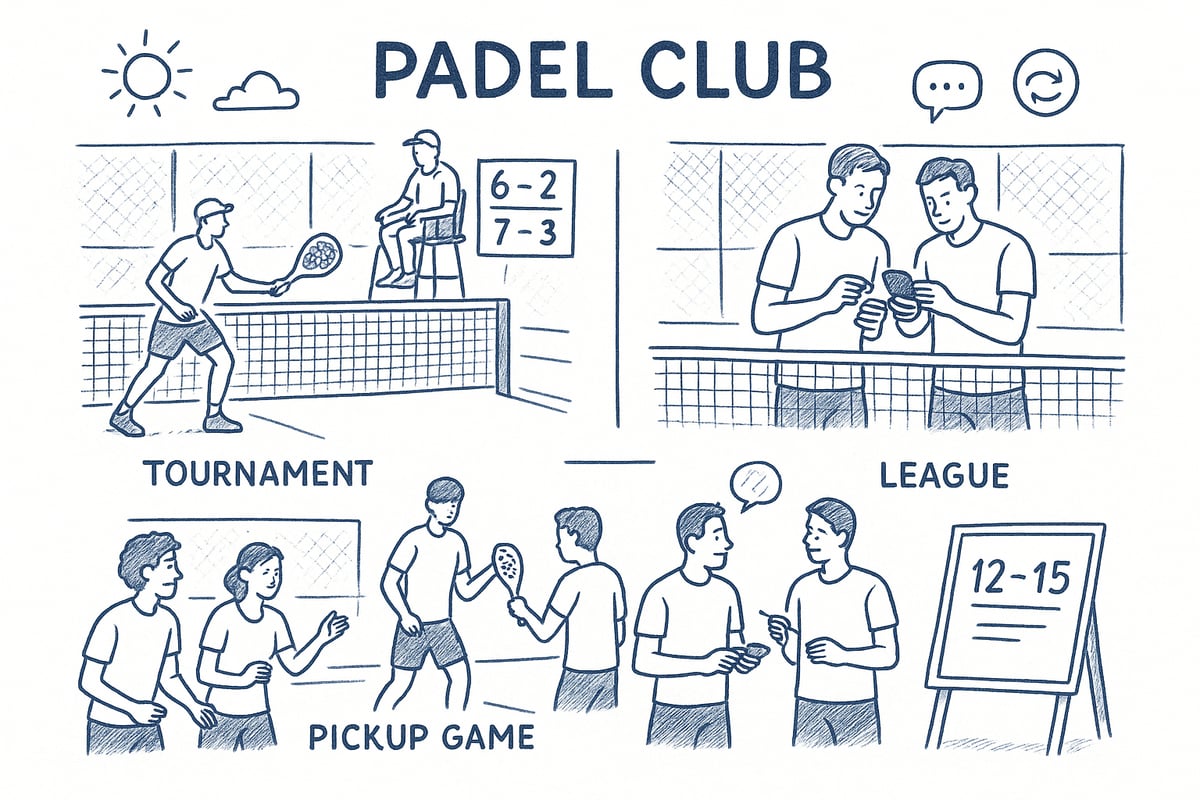
Tournament Scoring Formats
Most tournaments stick to the classic padel scoring system: best of three sets, standard rules. Win six games by two to take a set. If it’s 6-6, you play a tie-break.
But not every event follows the same script. Some use Fast4 (first to four games per set, tie-break at 3-3) or a super tie-break instead of a third set.
Check out this quick table:
Format | Sets | Tie-Breaks | When Used |
|---|---|---|---|
Standard | Best of 3 | 6-6 games | Major tournaments, clubs |
Fast4 | Best of 3/5 | 3-3 games | Time-limited, local events |
Super Tie-Break | One set | 10 points | Deciders, friendly matches |
In France, club leagues often keep it classic, while US events might go Fast4 to fit more games in a day. Always ask before you start. The padel scoring system can change the whole vibe.
League Play
Leagues use the padel scoring system for more than just wins and losses. Your sets and games count toward rankings. Some leagues assign points for each set won, not just matches.
If weather cuts a match short, most leagues count completed sets only. Others let you reschedule but always check the rules.
Want to climb the ranks? Consistency is key, but so is knowing your level. Many leagues use a Padel skill level system to match players and track progress. This keeps games fair and competitive.
Pro tip: Keep your own notes on scores, especially if your league is old school or has manual tracking.
Pickup and Social Games
Here’s where it gets fun. Pickup games use the padel scoring system, but with max flexibility. Play a single set, rotate partners, or use “winner stays on” rules. No one likes drama over scores, so keep it simple.
Want to find games or organize your own? Use tools like Find local padel games to join matches at your level, invite friends, and avoid mismatches. In Bali or Italy, players often use WhatsApp groups or chalkboards, but apps make it easier.
Don’t overthink the format. The goal is more play, less arguing.
Tips for Organizers
If you’re setting up a game, the padel scoring system is your best friend for keeping order.
Announce the format and rules up front.
Use a group chat or app for invites and score updates.
Rotate scorekeeping so everyone’s involved.
For leagues or big groups, post results after each match.
Example: In France, organizers post scores in a group chat so everyone sees the latest. In the US, digital boards or apps keep the flow tight.
Clear rules, smooth scoring, better games—every time.
Tips for Keeping Score Like a Pro
Want to master the padel scoring system like you’ve been playing for years? It’s all about clear talk, smart tools, and keeping your cool. Here’s how real players in France, the US, Italy, and Bali do it on the daily.
Communication and Teamwork
The padel scoring system only works if everyone knows what’s going on. Before you serve, always call out the score loud and clear. Don’t mumble or rush it. Make eye contact with your partner and the other team. In France, some clubs even have the server point to the scoreboard or tap their chest for clarity.
Rotate who keeps score each set. That way, one person isn’t stuck with all the pressure. If you’re in a mixed-language game, agree on numbers or simple hand signals before you start. In Bali, players use fingers to show the game count, avoiding language mix-ups.
Announce the score before every serve.
Confirm the format (sets, tie-breaks, golden point) with everyone.
Use quick signals if words get lost.
Doing this stops arguments before they start and makes every padel scoring system session run smoother.
Using Tech to Help
Why rely on memory when your phone can do the work? Scoreboard apps are game-changers for the padel scoring system. Look for apps that let you track points, games, and sets in real time. Some even alert you when it’s time to switch sides or call a golden point.
In the US, local pickup groups often use digital scoreboards—one player updates the score after each rally, so nobody forgets. If you’re new to the system or want a visual breakdown, check out this Padel Scoring System Video Guide for a quick, clear walkthrough.
Try apps like Poteau, which handle scorekeeping and match setup.
Use phone stands or wristbands for hands-free tracking.
Set alerts for break points or tie-breaks.
Tech keeps everyone honest and focused, whether you’re in a packed Italian club or a beach game in Bali.
Staying Focused Under Pressure
Tight matches can mess with your head, and that’s when padel scoring system mistakes sneak in. Build a routine: after each point, pause and check the score with your partner. Take a breath before announcing the score. In Italy, it’s common for both teams to confirm the score at every changeover.
If nerves start to spike, focus on the basics: breathe, double-check, and don’t rush. If you lose track, stop play and agree on the last known score before moving on.
Breathe deep if things get tense.
Stick to your routine, no matter what.
Pause play if there’s confusion—reset calmly.
A clear mind means a clean padel scoring system, even when the pressure’s on.
Real-World Scenarios
In Bali, mixed-level games keep things fair by using simple scoreboards and rotating partners. If someone doesn’t know the padel scoring system, teams quickly walk them through it before the first serve.
French clubs handle language barriers by writing scores on a chalkboard or using colored tokens for games and sets. In the US, announcing the score in both English and Spanish helps everyone stay in sync.
Prep new players with a quick scoring rundown.
Use visual aids for international games.
Keep the vibe positive and solutions simple.
No matter where you play, owning the padel scoring system keeps your games fun, fair, and drama-free.
Alright you’ve got the padel scoring rules down—now it’s time to put them to work. No more confusion on the court or debating over the golden point. With what you know you can jump into any game and keep things running smooth start to finish. So why not take that energy and find a game where you can play with people at your level right now Total gamechanger if you’re new in town or just want a quick match after work. Ready to get in the action Find a game near you and let’s play